Terraforms
Categories
Material Research
Collaborators
Enza Migliore, PI of Materialities Lab, SUSTech & Jingze Liu, PhD Candidate, SUSTech
Material
Clay
Keywords
Clay Composite Self-organization Viscous Fingering Material Agency Negotiated Control Emergent Form
Year
2025
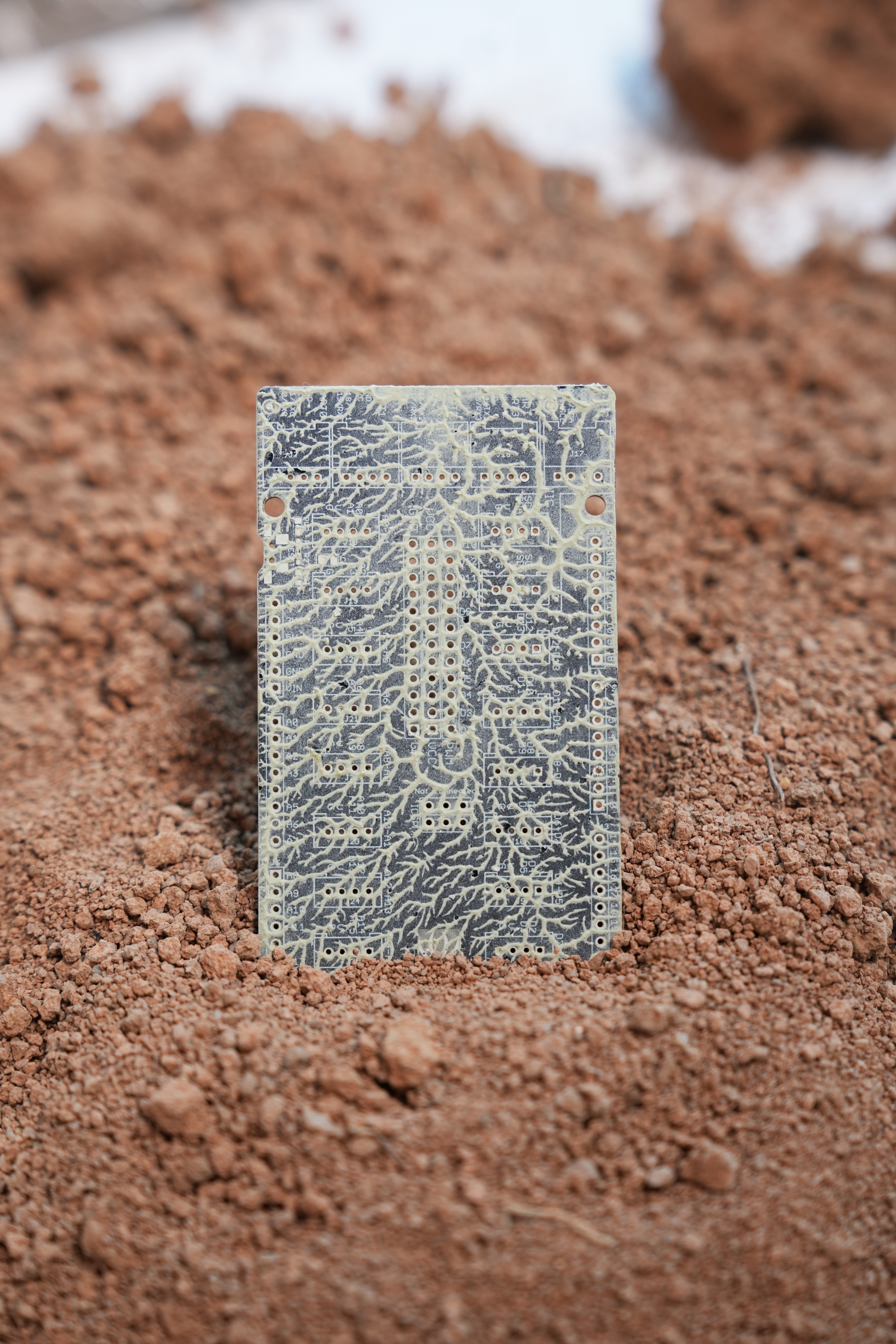
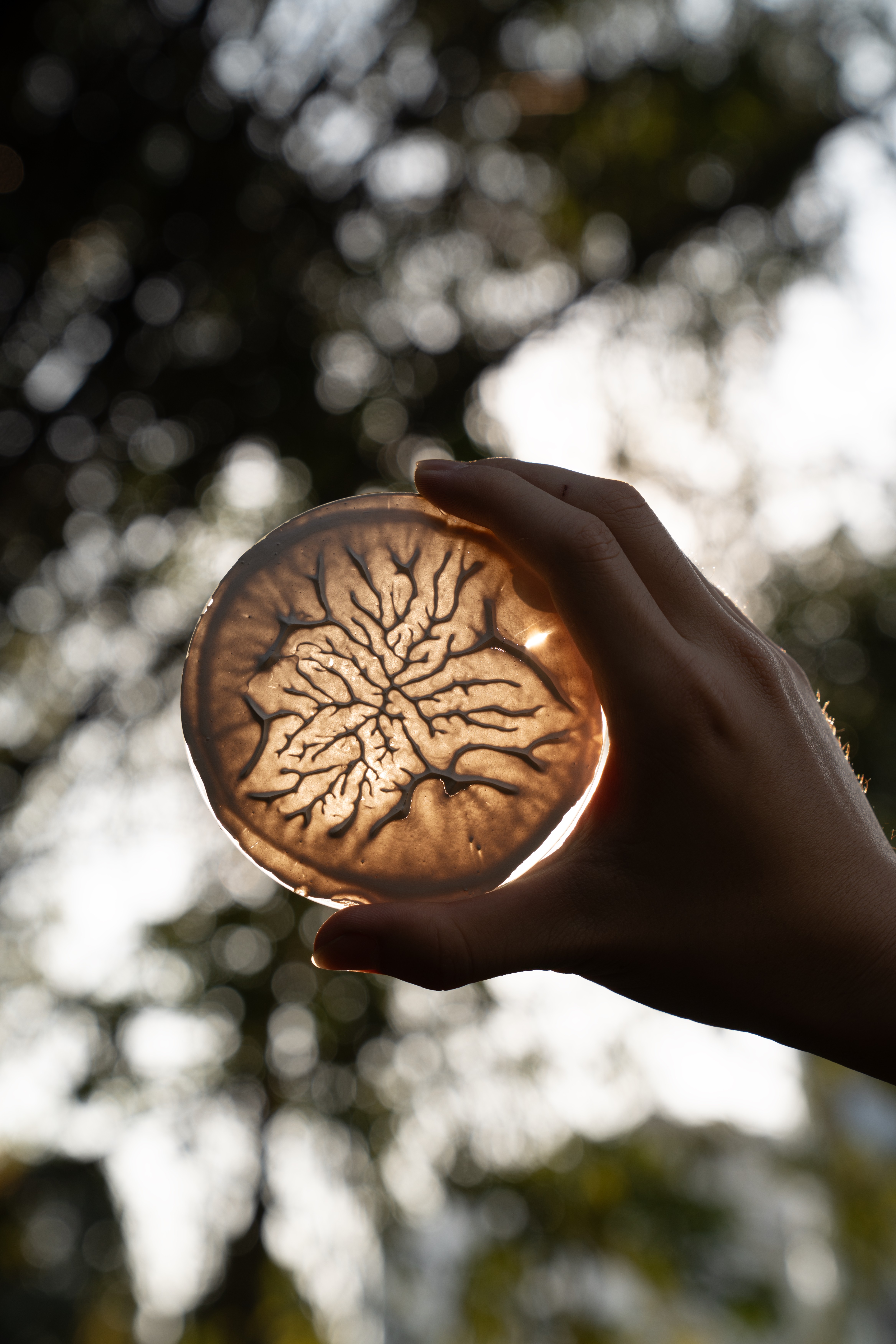
Terraforms investigates how material behaviour can become an active driver of form generation. Developed through a series of modified Lifting Hele-Shaw Cell experiments with clay composites, the project studies how instability, separation, and controlled constraints produce emergent branching patterns. Rather than imposing fixed geometries, the work explores how design can engage material agency through calibration, guidance, and negotiation. By treating unpredictability as a generative condition, Terraforms proposes a material-based approach to making that operates between control and autonomy.
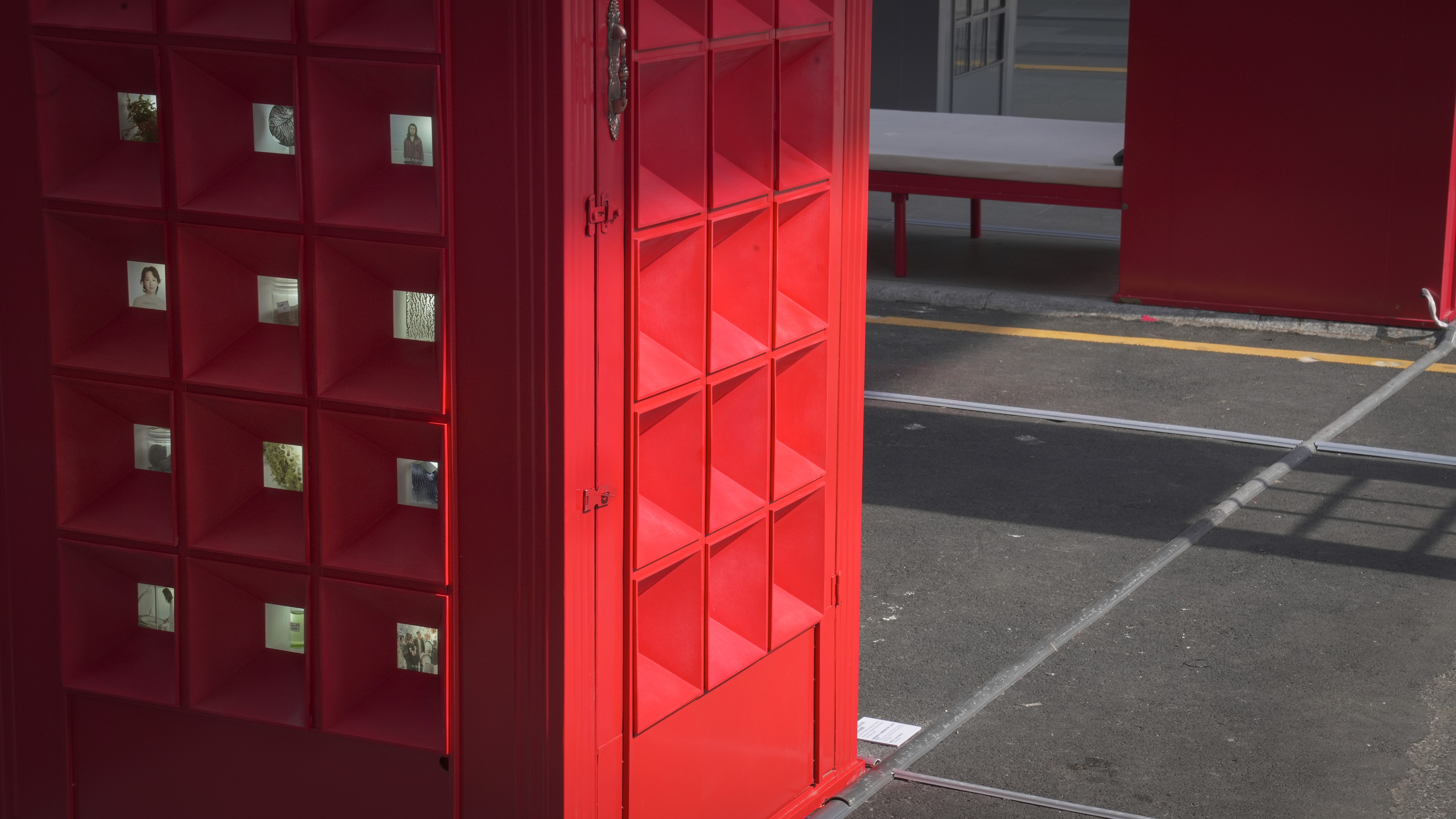
This research was presented at the 19th International Architecture Exhibition of La Biennale di Venezia in 2025, as part of the Arsenale exhibition.
Selected findings from the project were subsequently published in the Proceedings of the Design Research Society Conference 2026 (DRS 2026).
Terraforms investigates how material behaviour can become an active driver of form generation. Developed through a series of modified Lifting Hele-Shaw Cell experiments with clay composites, the project studies how instability, separation, and controlled constraints produce emergent branching patterns. Rather than imposing fixed geometries, the work explores how design can engage material agency through calibration, guidance, and negotiation. By treating unpredictability as a generative condition, Terraforms proposes a material-based approach to making that operates between control and autonomy.
This research was presented at the 19th International Architecture Exhibition of La Biennale di Venezia in 2025, as part of the Arsenale exhibition.
Selected findings from the project were subsequently published in the Proceedings of the Design Research Society Conference 2026 (DRS 2026).
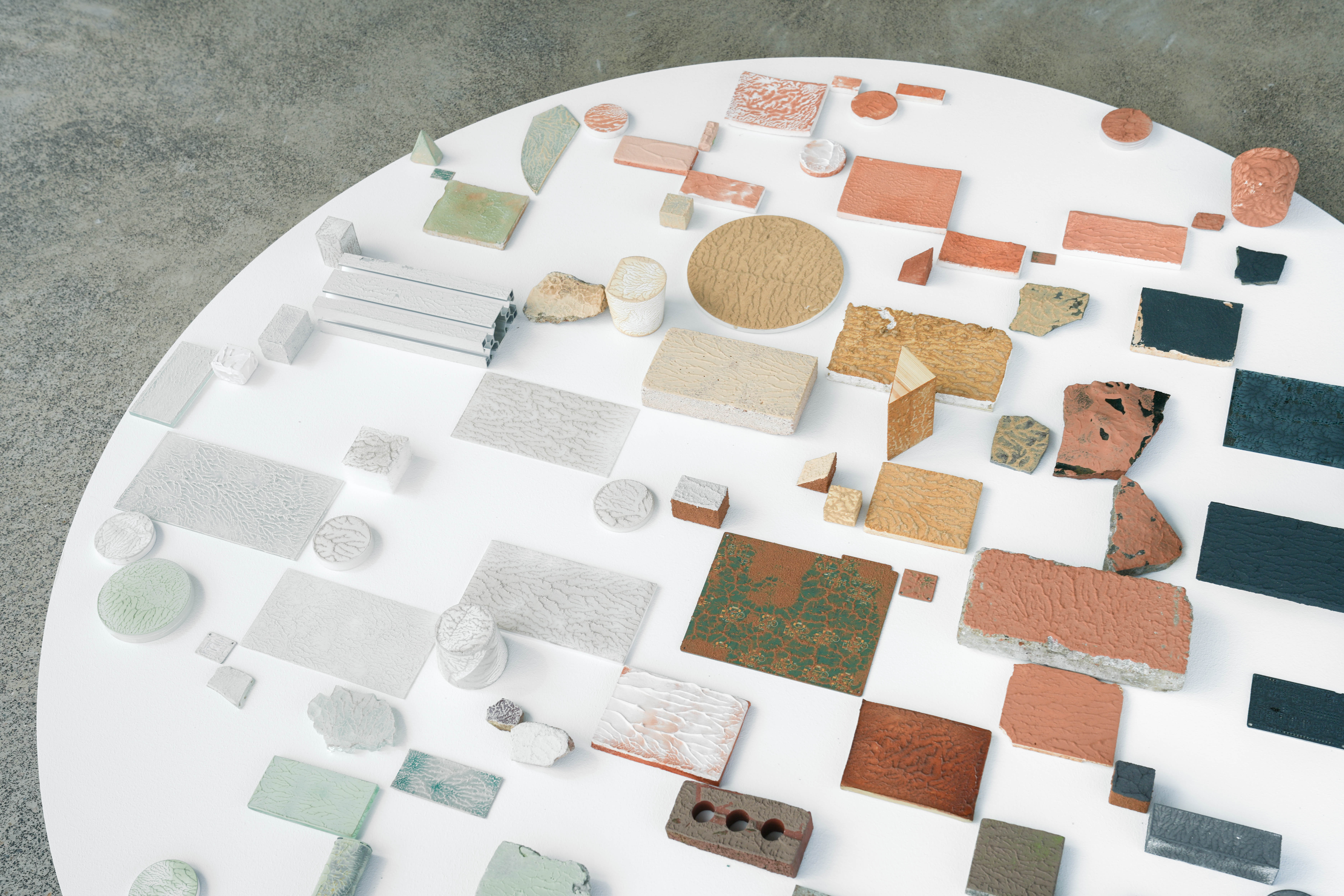
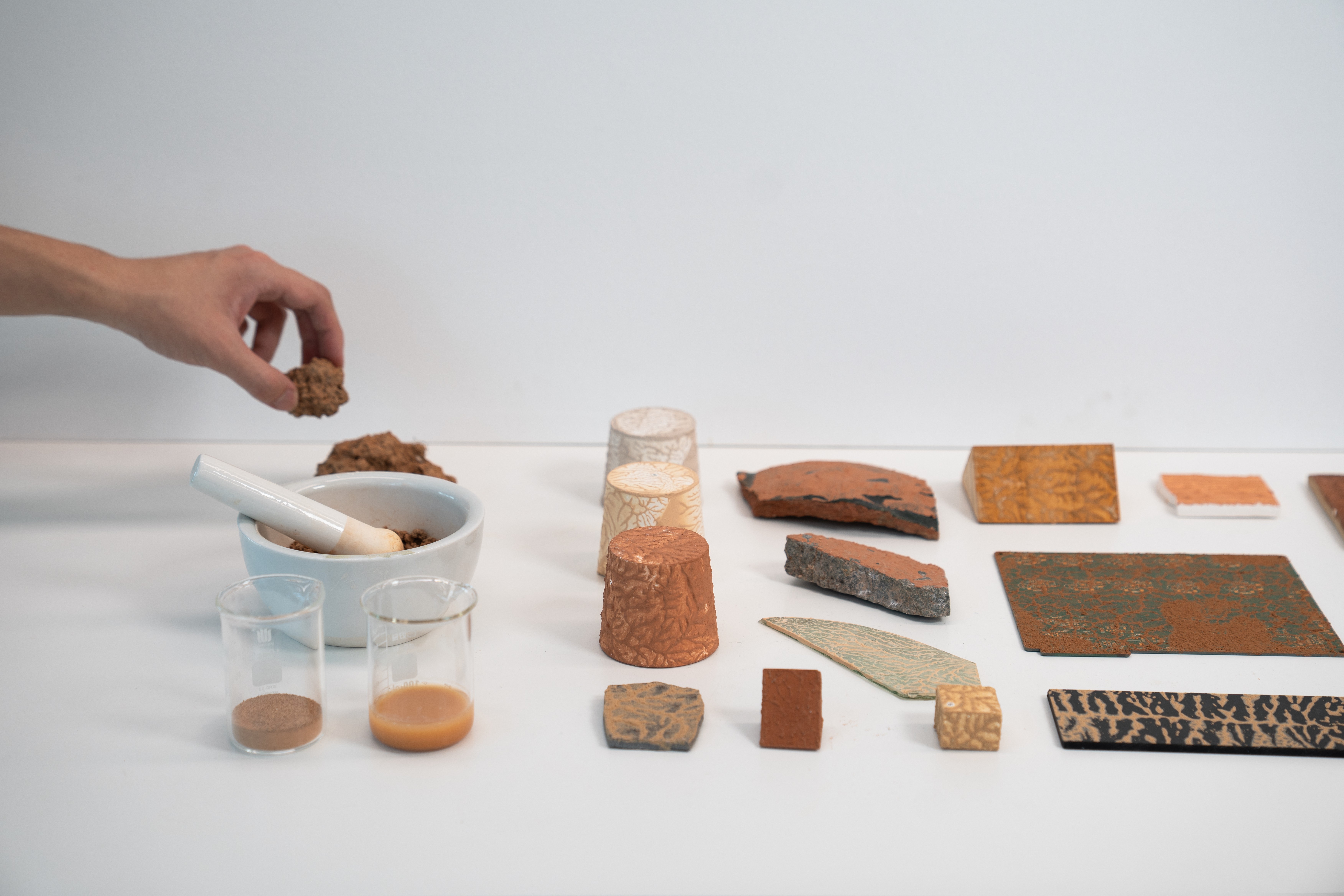
Using clay-based composites in a modified Lifting Hele-Shaw Cell setup, we conducted a large number of iterative experiments to examine how variables such as water-clay ratio, material mass, plate texture, substrate porosity, and separation method influence pattern formation. Each test was documented through photographs, notes, and comparative analysis. Over time, these experiments revealed recurring image families and behavioural tendencies, allowing the project to move from observation toward a more structured understanding of material response.
Using clay-based composites in a modified Lifting Hele-Shaw Cell setup, we conducted a large number of iterative experiments to examine how variables such as water-clay ratio, material mass, plate texture, substrate porosity, and separation method influence pattern formation. Each test was documented through photographs, notes, and comparative analysis. Over time, these experiments revealed recurring image families and behavioural tendencies, allowing the project to move from observation toward a more structured understanding of material response.
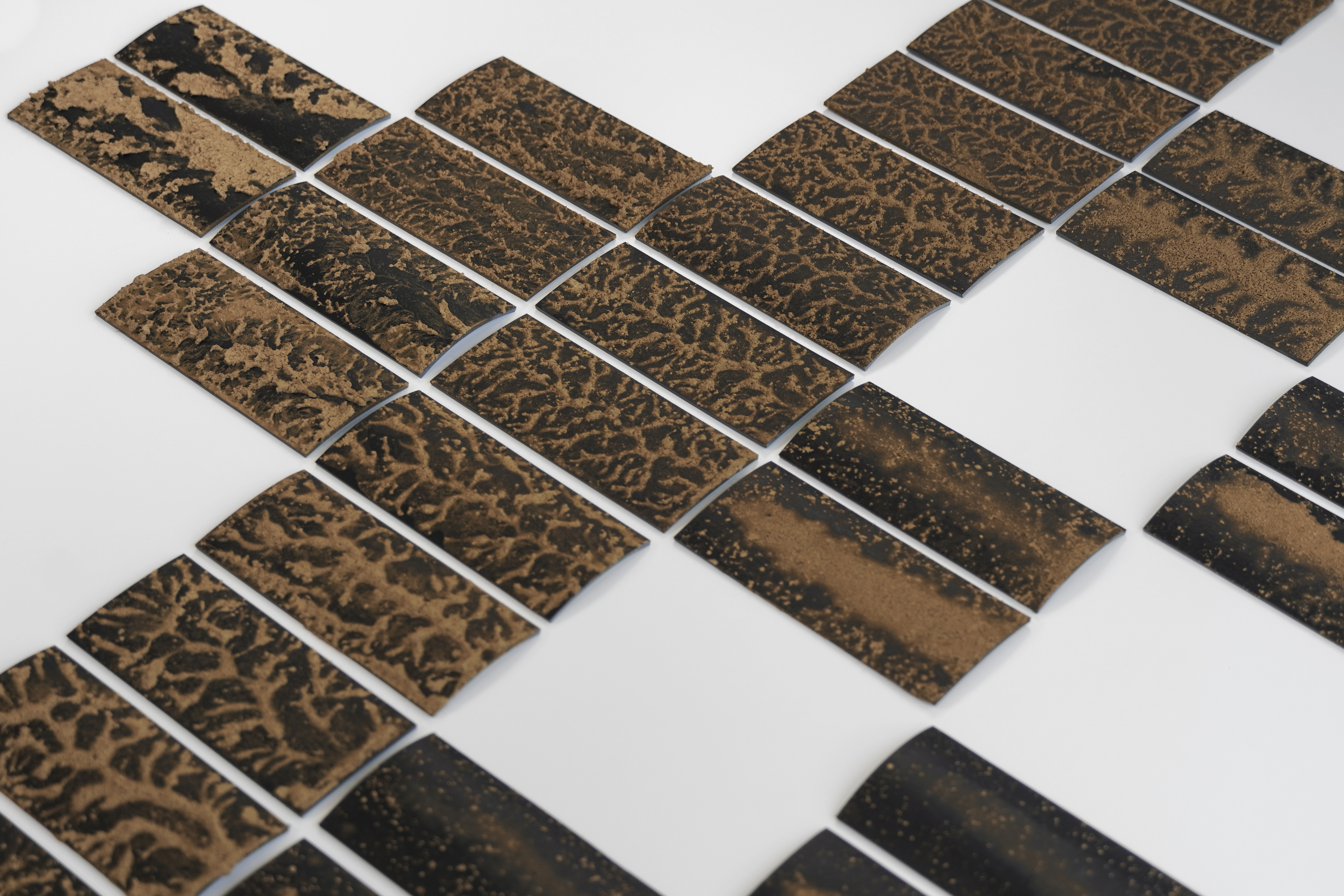
Terraforms repositions making as a dialogue with active matter. It suggests that design can operate through setting conditions, tuning relations, and engaging emergence, instead of relying solely on precise prescription. In this sense, the project contributes to broader discussions on material intelligence, non-linear fabrication, and alternative ways of negotiating control in design practice.
Terraforms repositions making as a dialogue with active matter. It suggests that design can operate through setting conditions, tuning relations, and engaging emergence, instead of relying solely on precise prescription. In this sense, the project contributes to broader discussions on material intelligence, non-linear fabrication, and alternative ways of negotiating control in design practice.