Alternatures
Categories
Installation, Exhibition
Collaborators
Enza Migliore, Bingxi(Eve) Li
Material
Multimdedia
Keywords
Exhibition Narrative Material Translation Research Communication Spatial Display Reuse
Year
2026
Alternatures was developed for Materialities Lab’s participation in UABB, within a broader curatorial inquiry into the role of materials in a time of ecological crisis, social imbalance, and shifting relations between the human and the non-human. Framed by the idea of “alternative natures,” the exhibition asked how material systems might mediate imbalance, support regeneration, and open up more bio-inclusive ways of thinking and designing. Rather than presenting materials as passive resources, it positioned them as active participants in shaping future built environments.
Alternatures was developed for Materialities Lab’s participation in UABB, within a broader curatorial inquiry into the role of materials in a time of ecological crisis, social imbalance, and shifting relations between the human and the non-human. Framed by the idea of “alternative natures,” the exhibition asked how material systems might mediate imbalance, support regeneration, and open up more bio-inclusive ways of thinking and designing. Rather than presenting materials as passive resources, it positioned them as active participants in shaping future built environments.
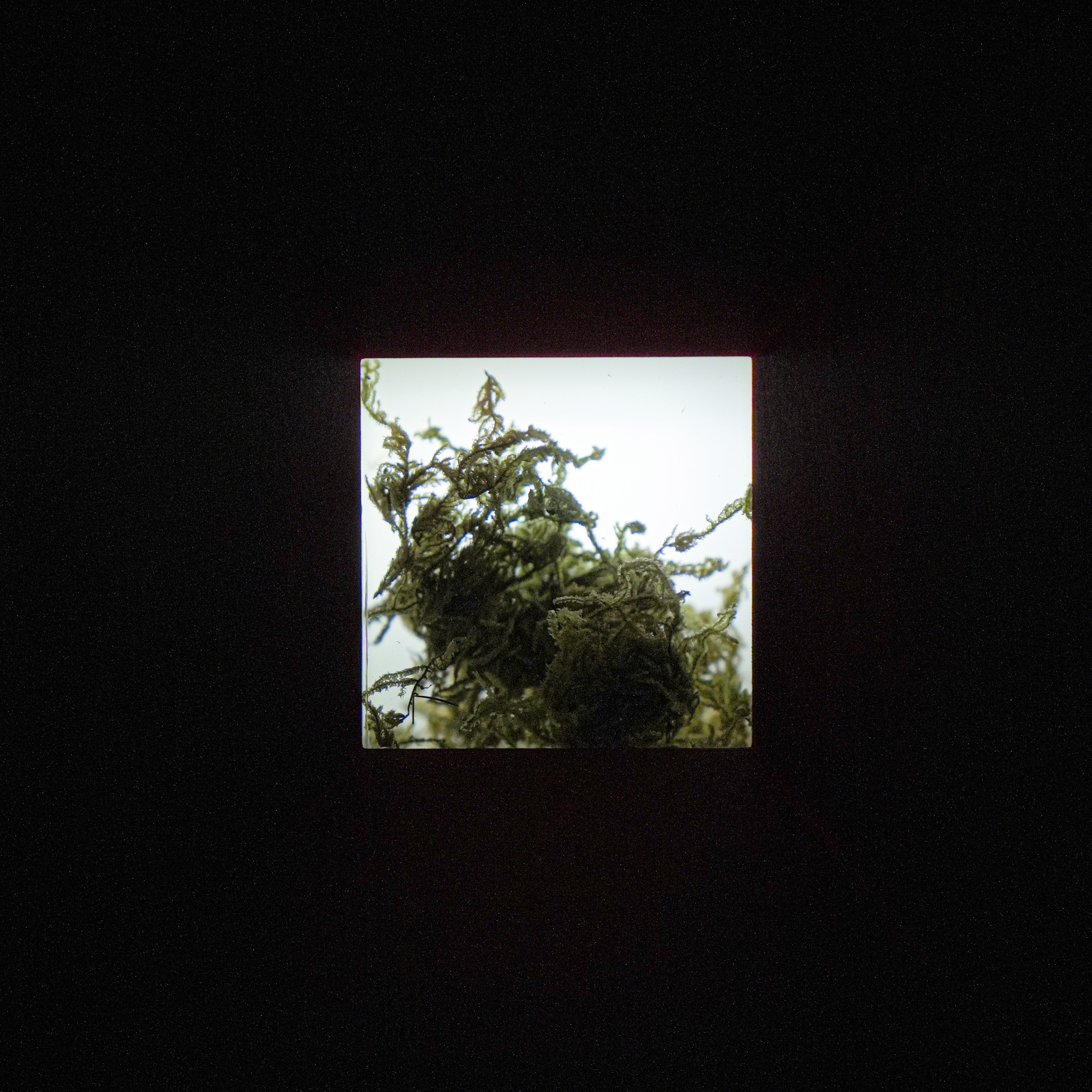
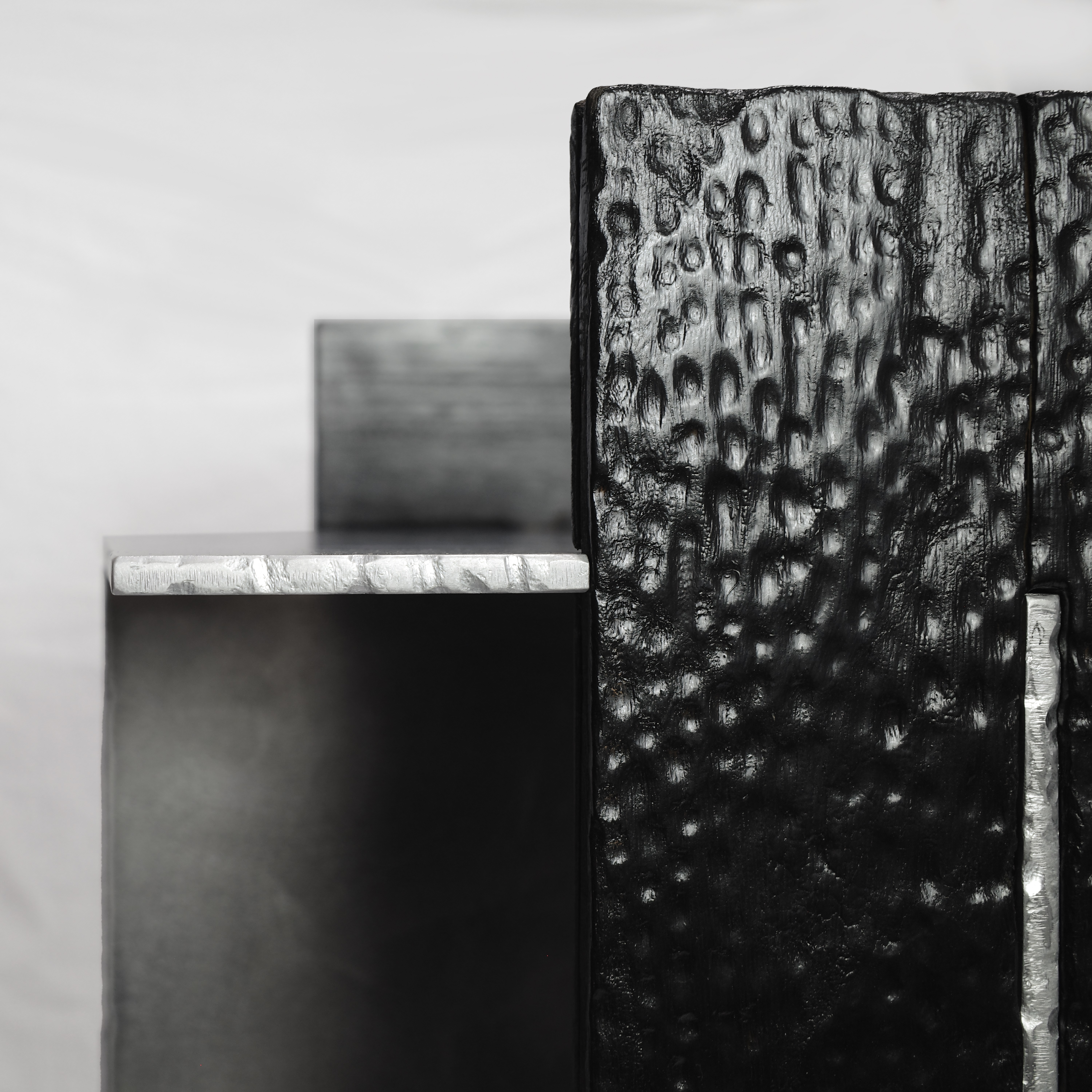
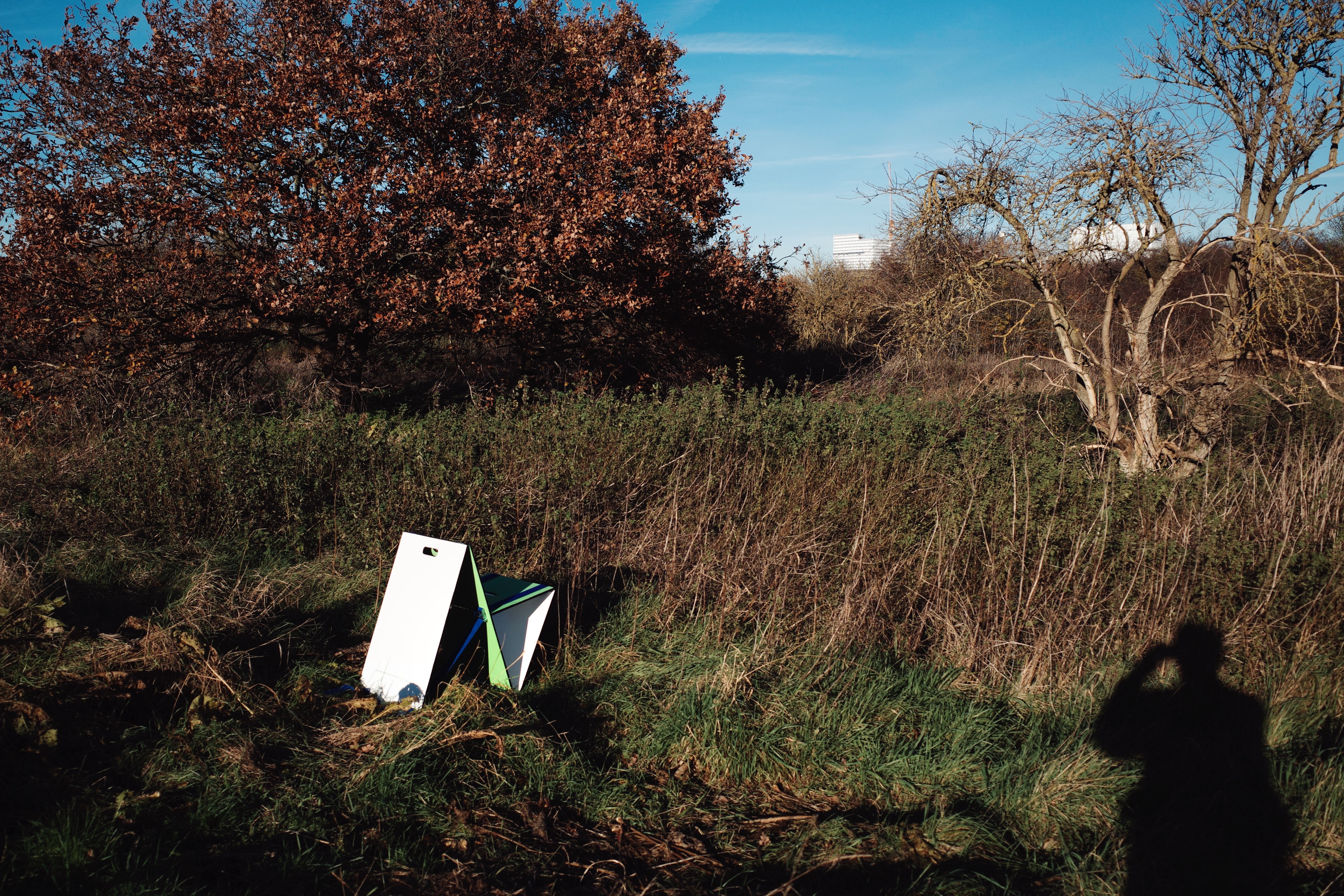
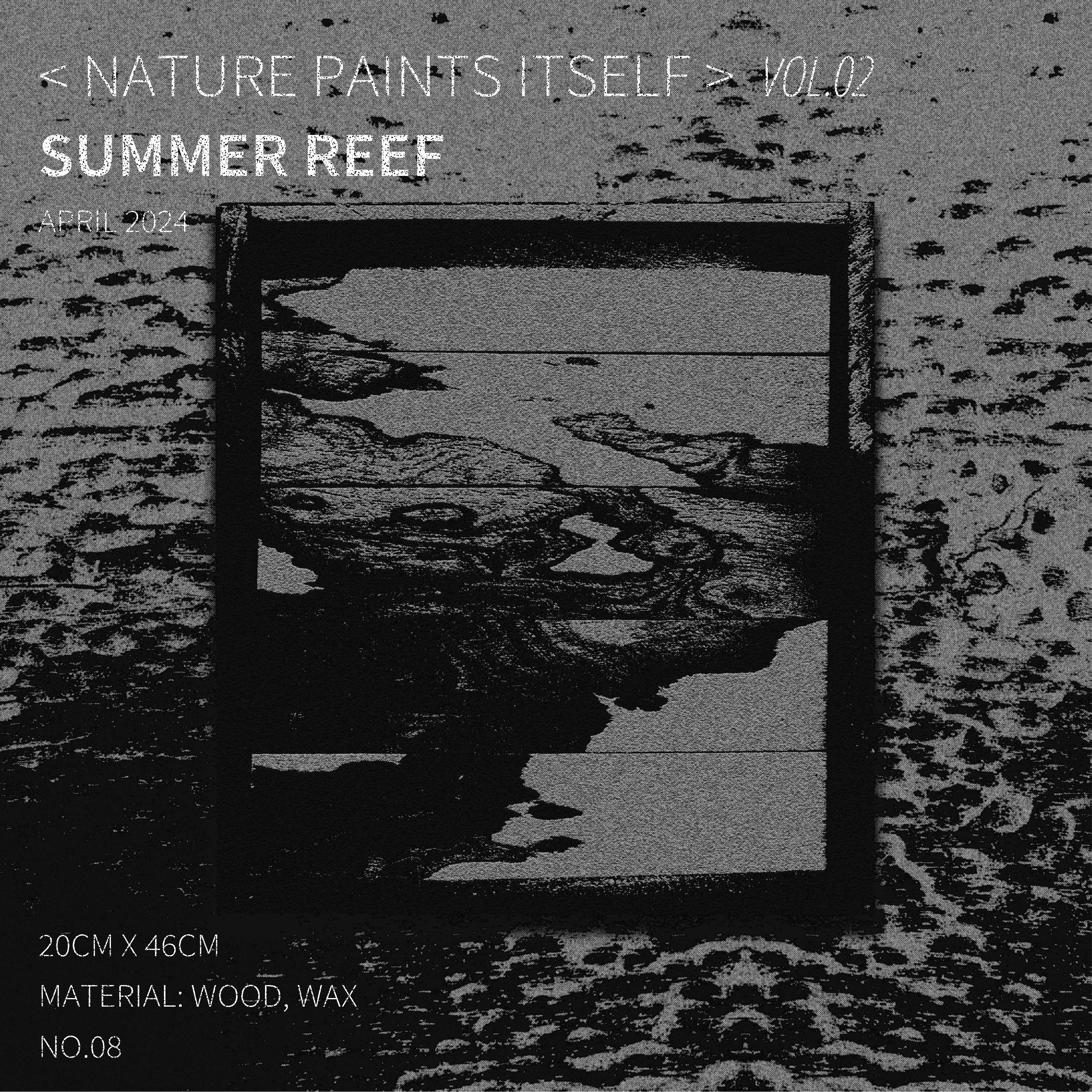
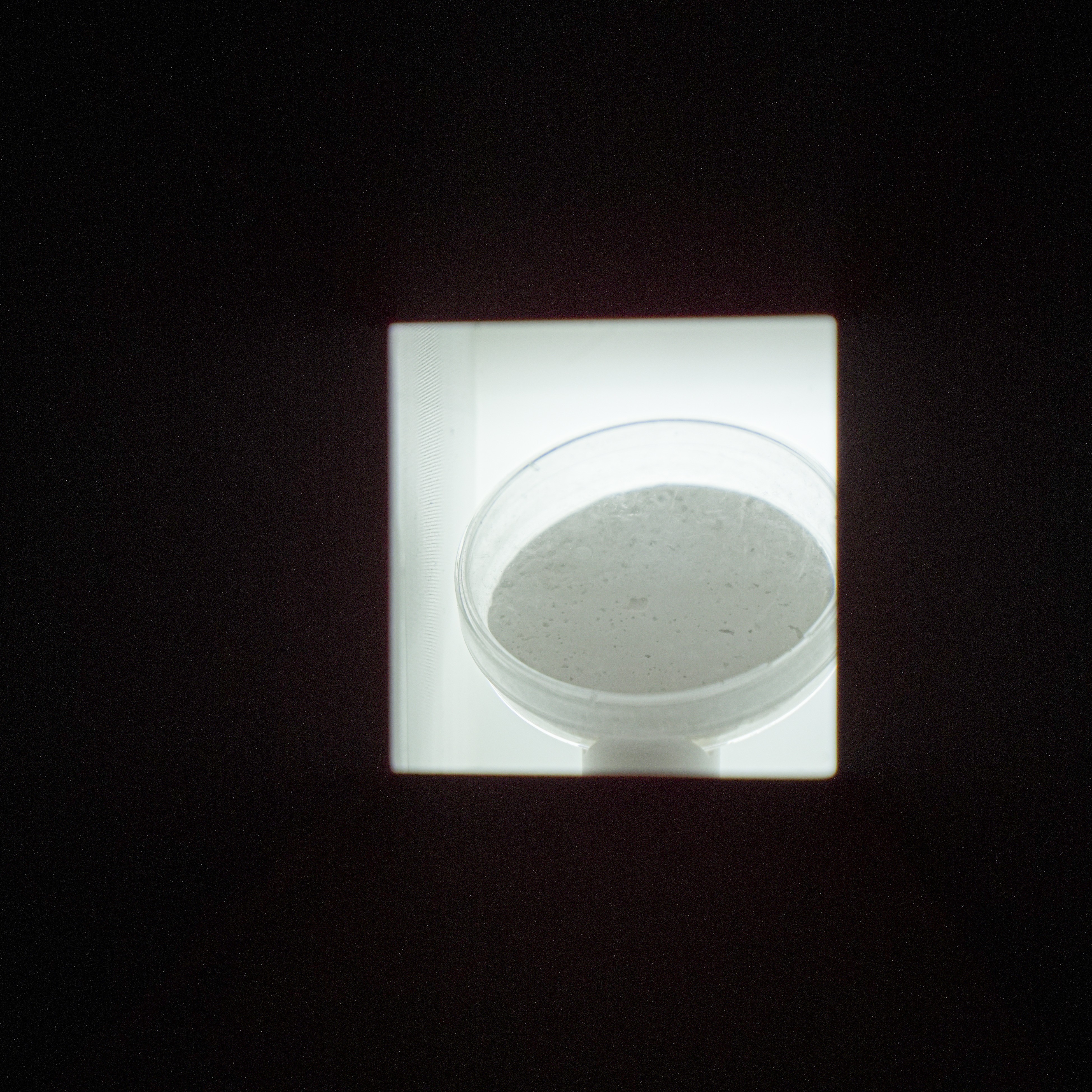
Within this context, the project aimed to translate the lab's diverse body of research into a public-facing spatial experience. More than ten works of different scales, media, and concerns needed to be presented within a coherent exhibition narrative. The challenge was not only to display individual projects, but also to communicate the broader research ethos of the lab: a way of thinking through materials, experiments, and ecological transformation.
Within this context, the project aimed to translate the lab's diverse body of research into a public-facing spatial experience. More than ten works of different scales, media, and concerns needed to be presented within a coherent exhibition narrative. The challenge was not only to display individual projects, but also to communicate the broader research ethos of the lab: a way of thinking through materials, experiments, and ecological transformation.
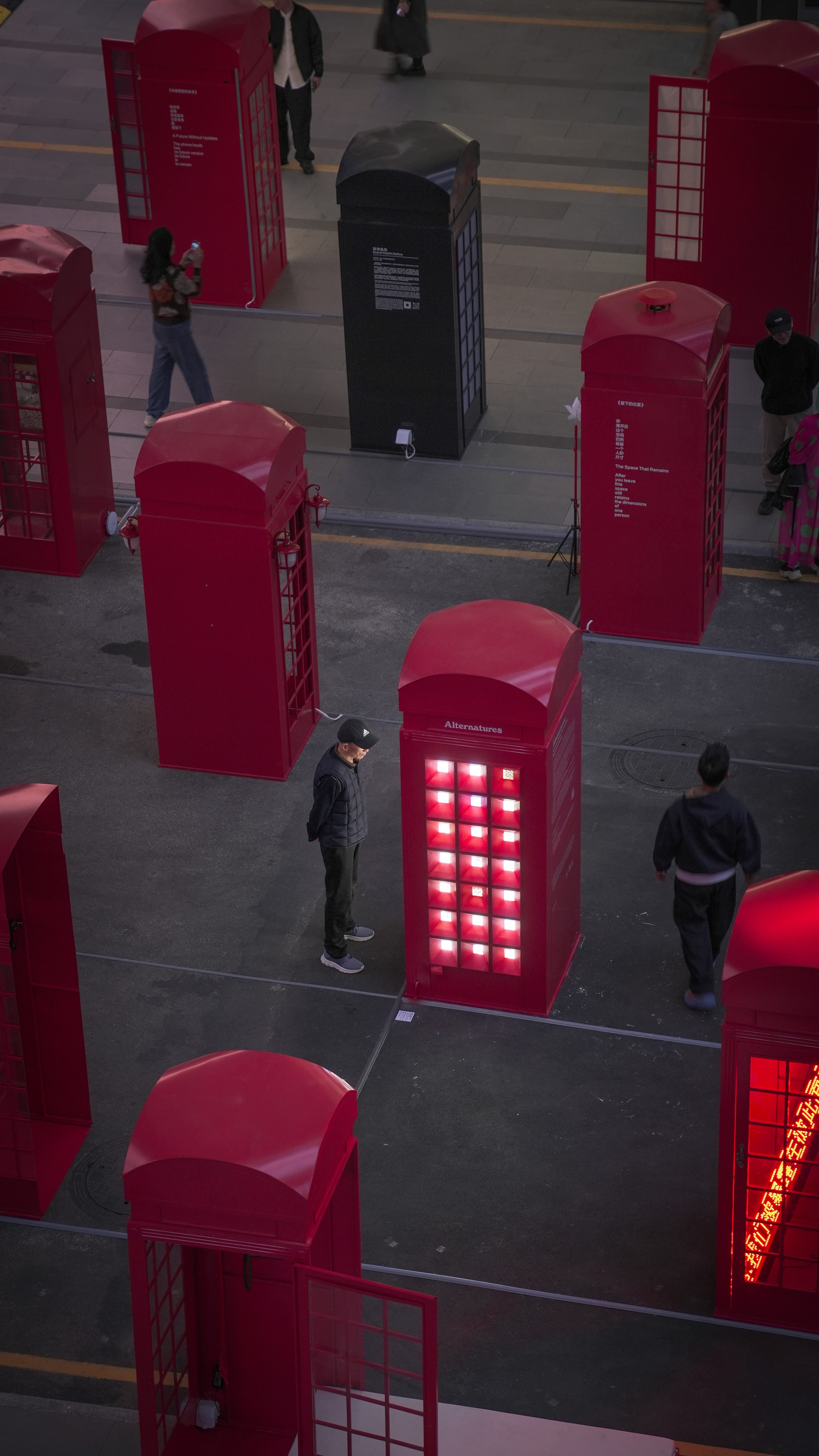
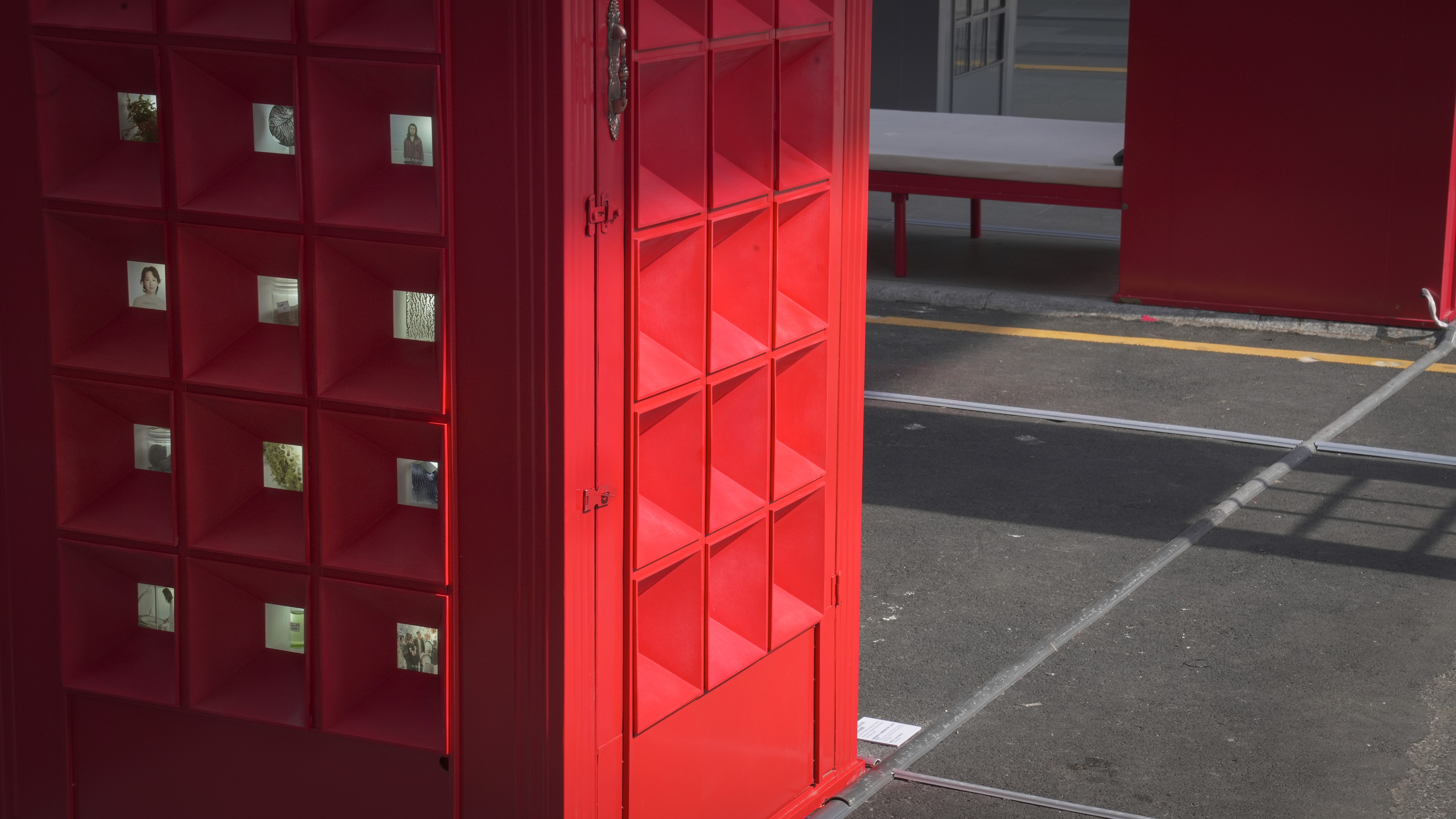
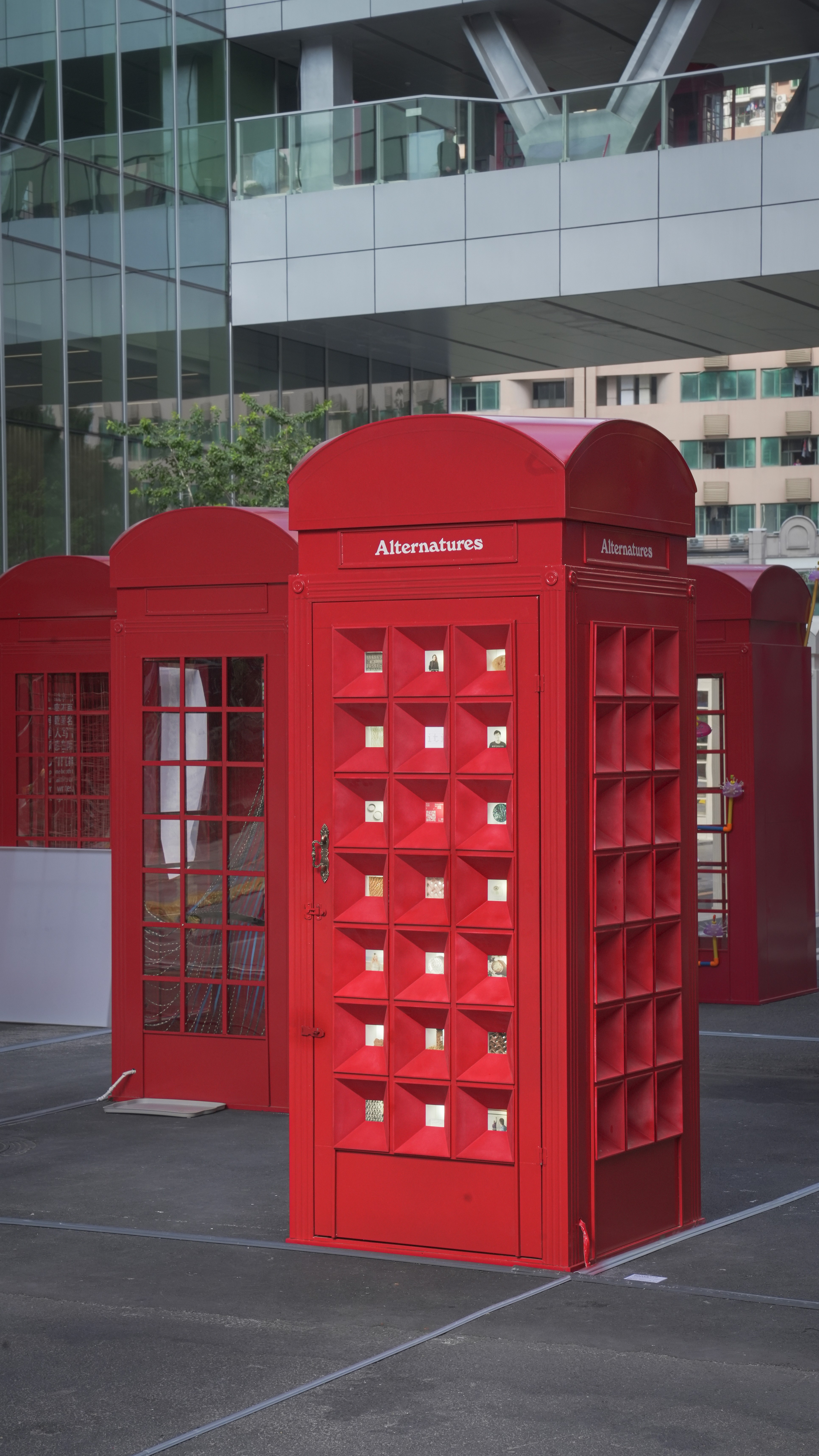
A telephone booth provided by the exhibition organizers became the starting point of the design. Instead of treating it as a fixed object, I reworked it as a compact exhibition interface that visitors could look into through a series of openings. As an icon of intimate connection and exchange, the booth became a structural device for encountering experiments, concepts, people, and messages from the lab. Through this transformation, an existing object was turned into a dense spatial and narrative container for alternative material futures.
A telephone booth provided by the exhibition organizers became the starting point of the design. Instead of treating it as a fixed object, I reworked it as a compact exhibition interface that visitors could look into through a series of openings. As an icon of intimate connection and exchange, the booth became a structural device for encountering experiments, concepts, people, and messages from the lab. Through this transformation, an existing object was turned into a dense spatial and narrative container for alternative material futures.