Steps to Infinite Play
Categories
Spatial Design
Collaborators
Solo Project
Material
Wood, Plaster
Keywords
Play Urban Homogenisation Adventure Playground Children Open-ended System Spatial Agency
Year
2025
The project begins with a concern about the homogenisation of contemporary urban space and the narrowing of how play is understood within it. In many designed environments, play is pre-programmed, safety-controlled, and confined to clearly defined zones and behaviours. I was interested in questioning this condition: is play something that can be fully designed in advance, or does it emerge through uncertainty, appropriation, and the active reinterpretation of space?
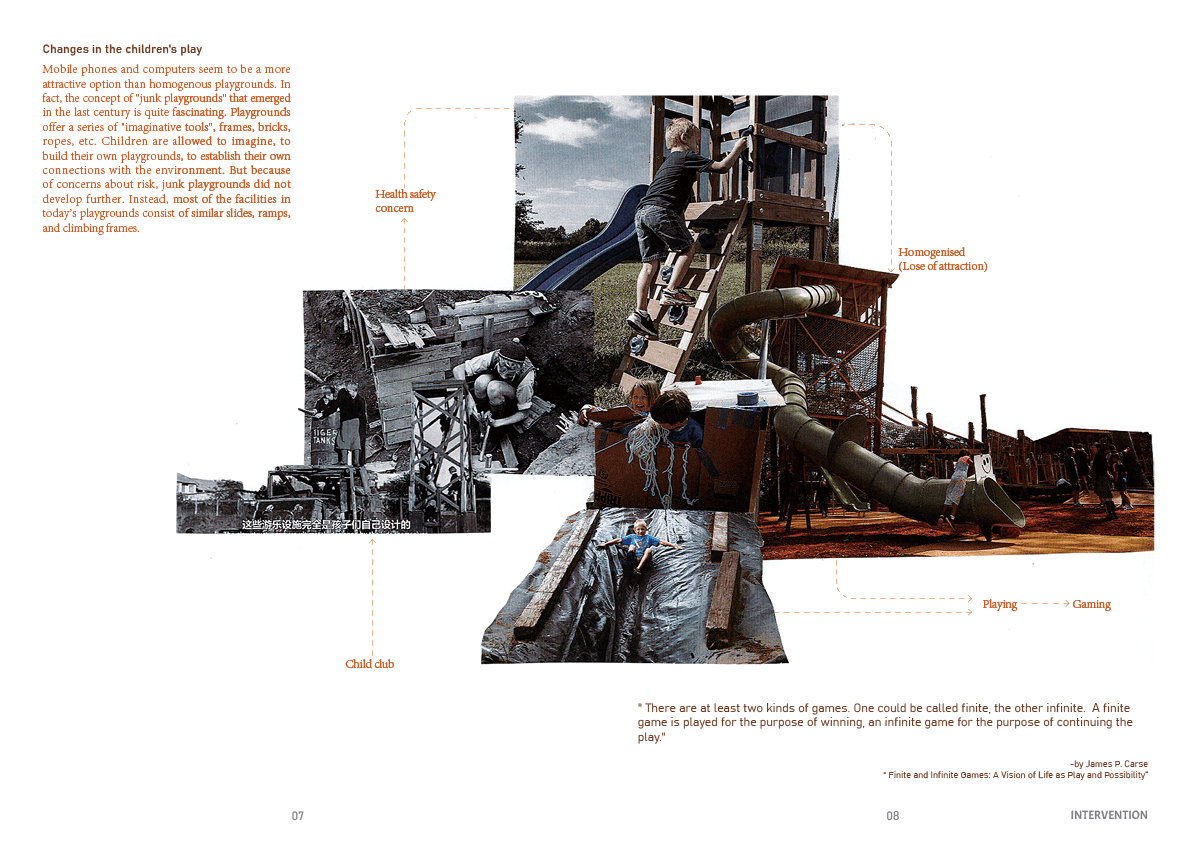
The project begins with a concern about the homogenisation of contemporary urban space and the narrowing of how play is understood within it. In many designed environments, play is pre-programmed, safety-controlled, and confined to clearly defined zones and behaviours. I was interested in questioning this condition: is play something that can be fully designed in advance, or does it emerge through uncertainty, appropriation, and the active reinterpretation of space?
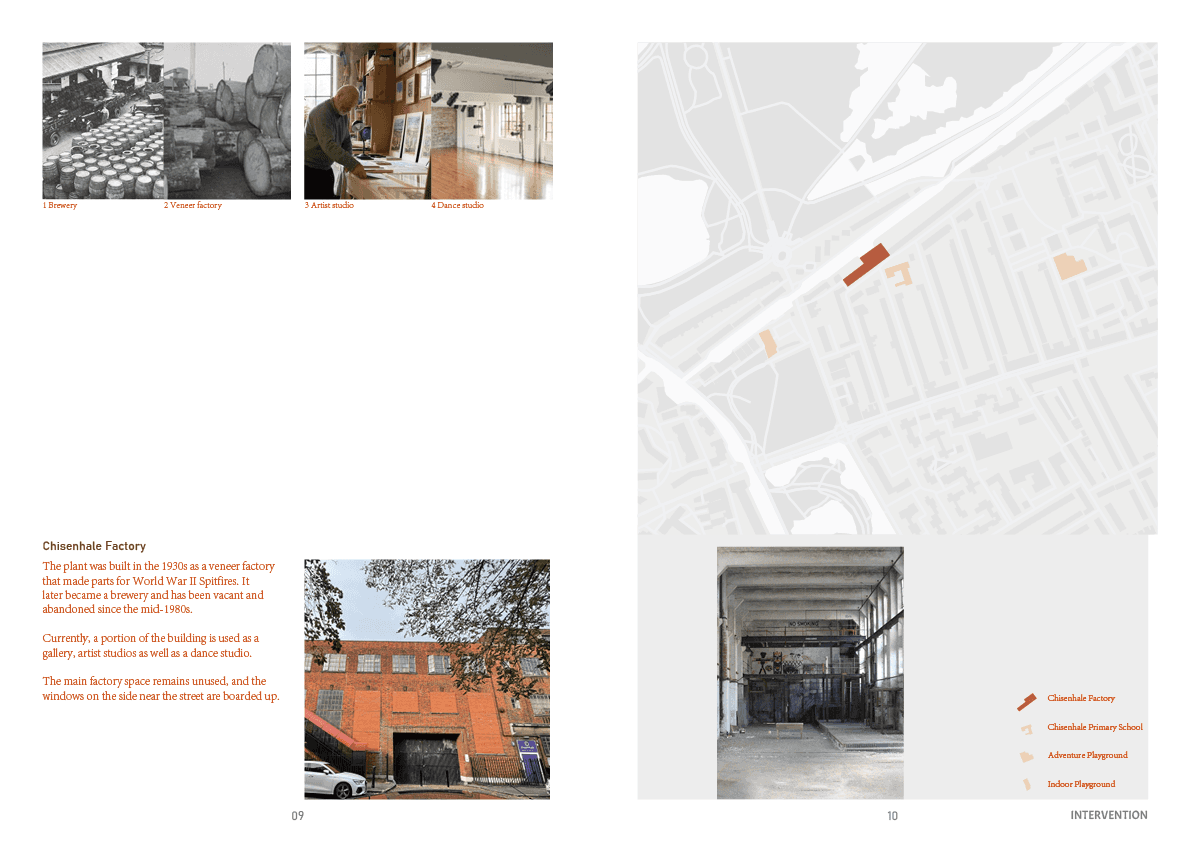
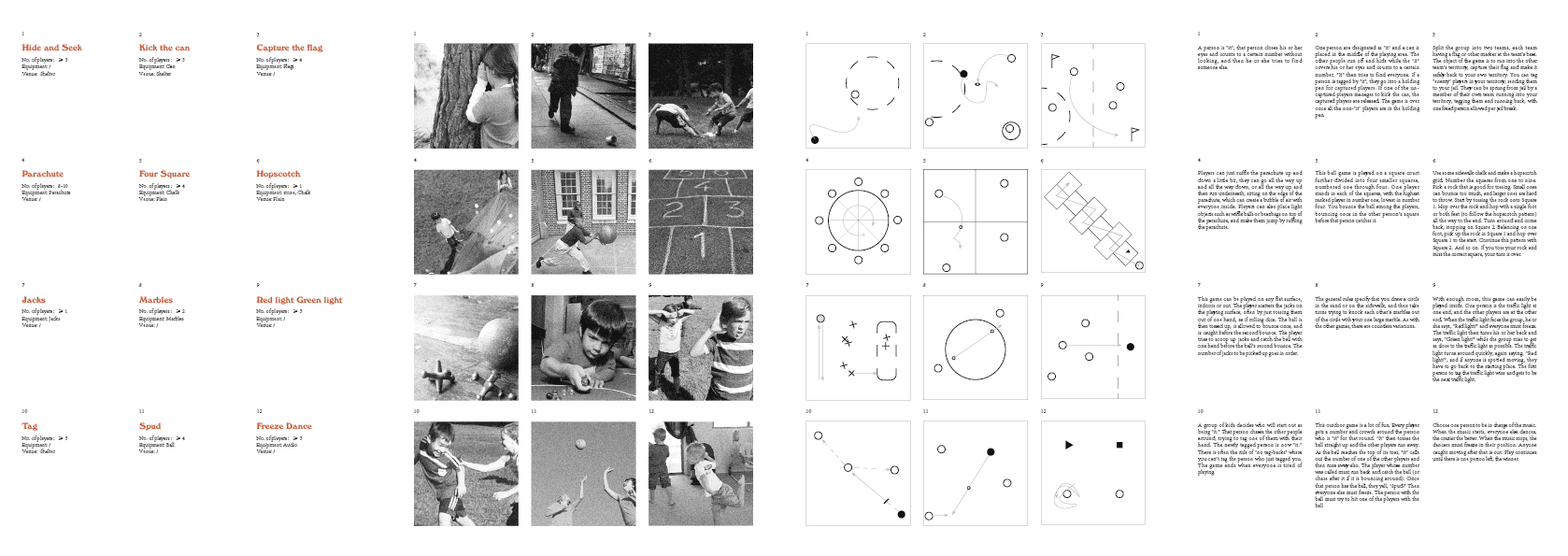
To approach this question, I studied traditional game forms, the idea of the adventure playground, and traces of informal play already present on site. These references revealed that play often emerges from loose rules, found materials, bodily negotiation, and the ability to transform an ordinary setting into something else. Rather than taking play as a decorative theme, the project treated it as a spatial condition shaped by openness, adaptability, and the freedom to invent new relations between body, object, and environment.
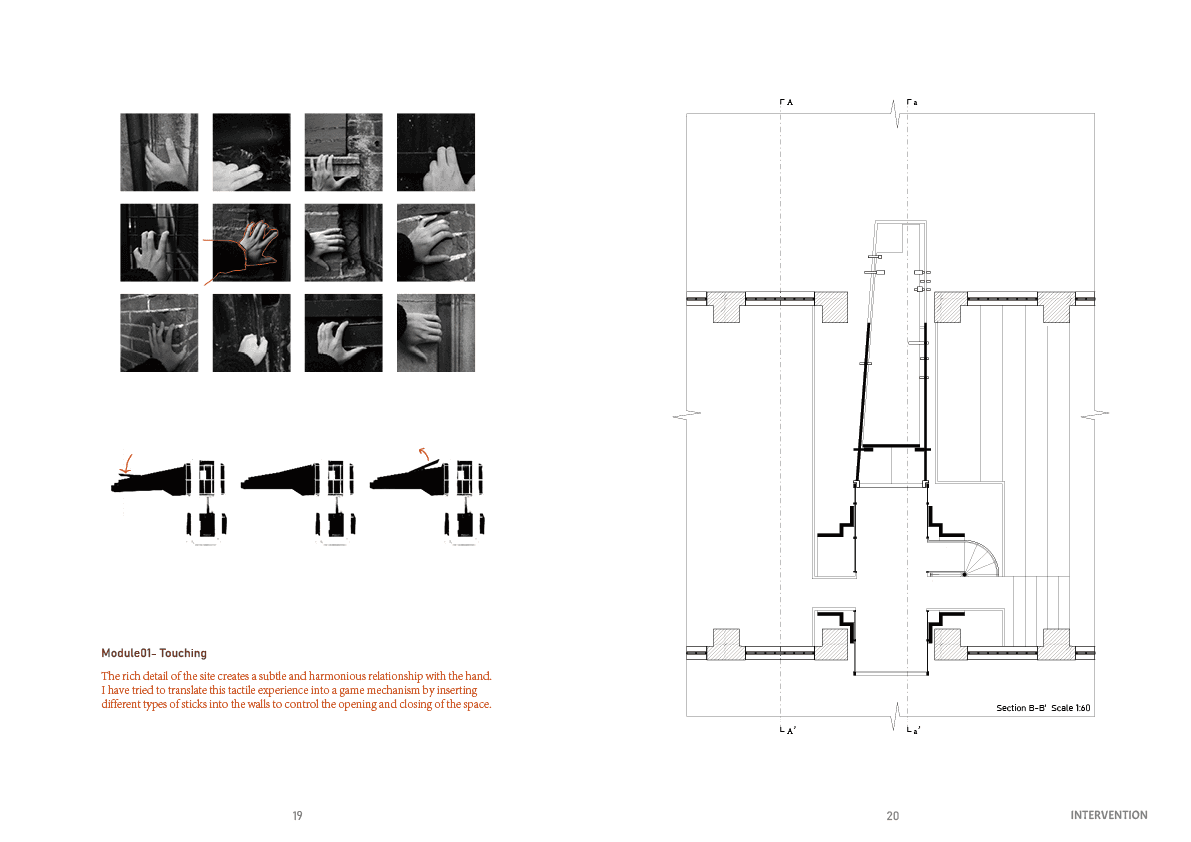
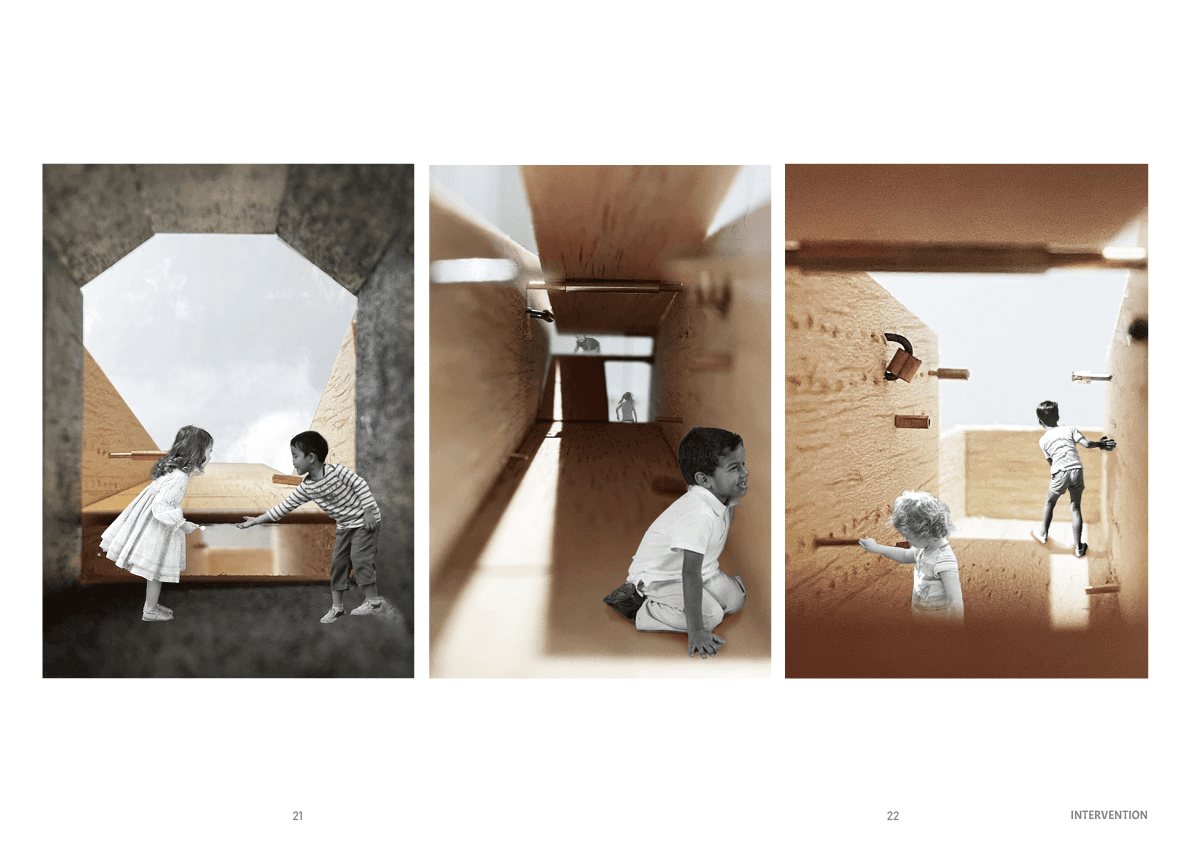
To approach this question, I studied traditional game forms, the idea of the adventure playground, and traces of informal play already present on site. These references revealed that play often emerges from loose rules, found materials, bodily negotiation, and the ability to transform an ordinary setting into something else. Rather than taking play as a decorative theme, the project treated it as a spatial condition shaped by openness, adaptability, and the freedom to invent new relations between body, object, and environment.
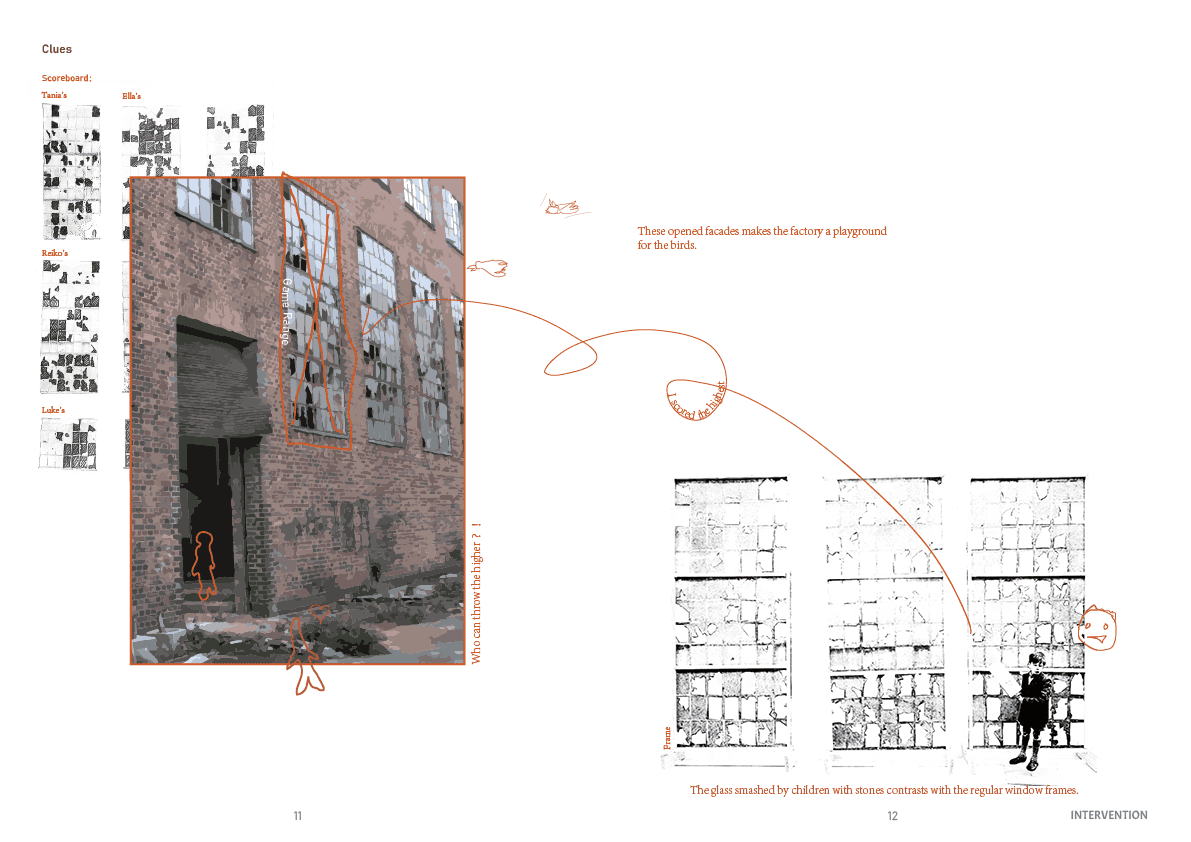
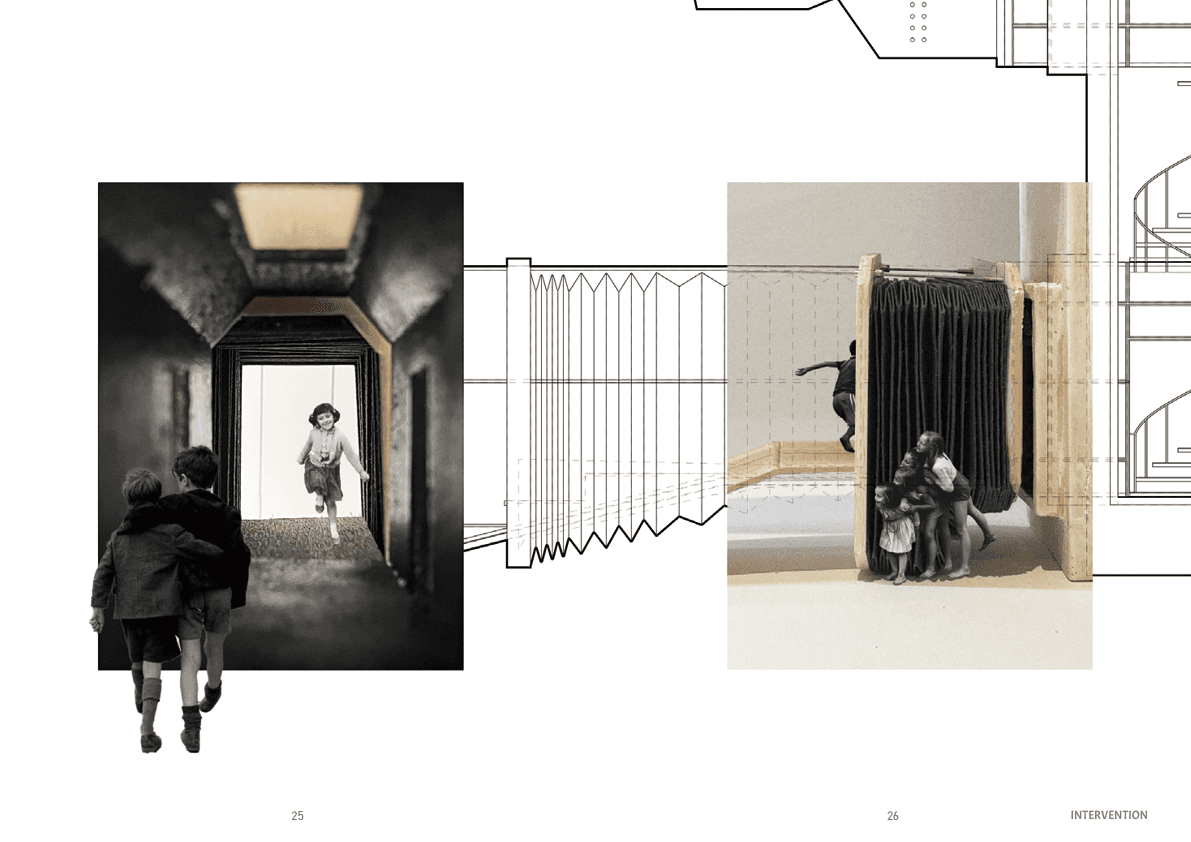
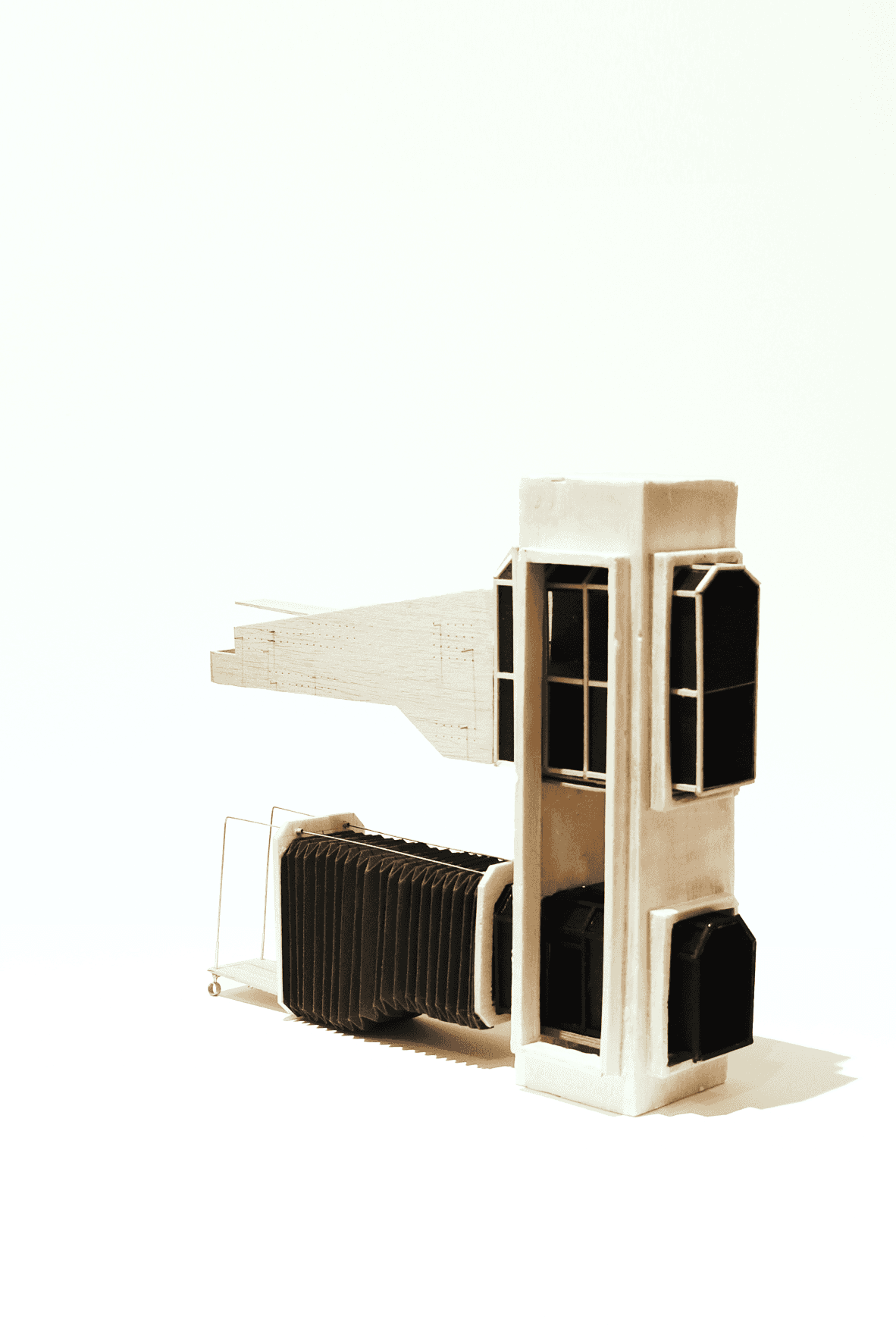
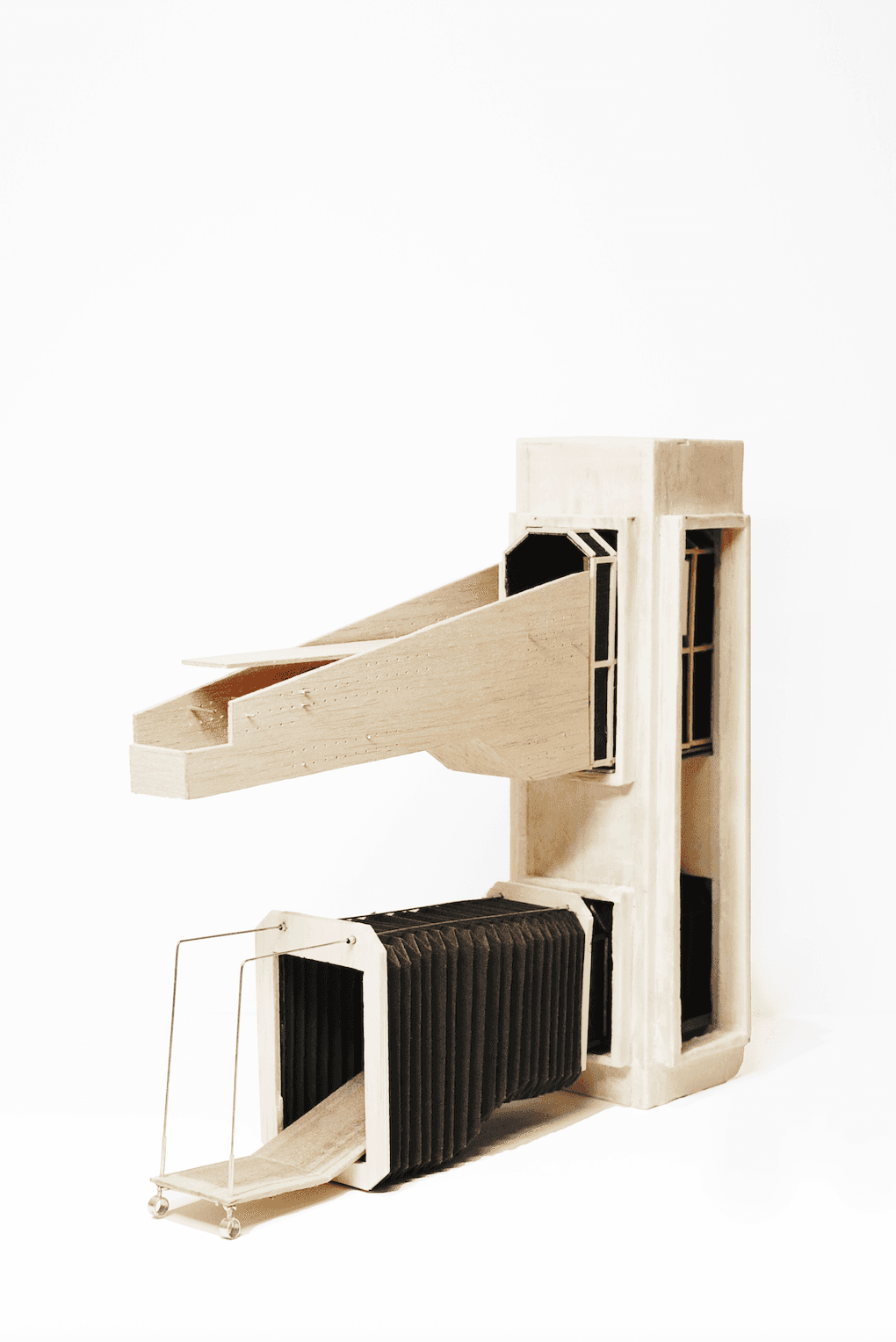
In response, I redesigned the building as a framework for open-ended play and developed a new play component for children. The intervention does not prescribe a single function or fixed narrative, but supports multiple forms of climbing, gathering, balancing, hiding, and reimagining. By extending the existing architecture instead of replacing it, the project turns the site into a more indeterminate and generative environment, where play becomes a way of discovering space rather than simply occupying it.
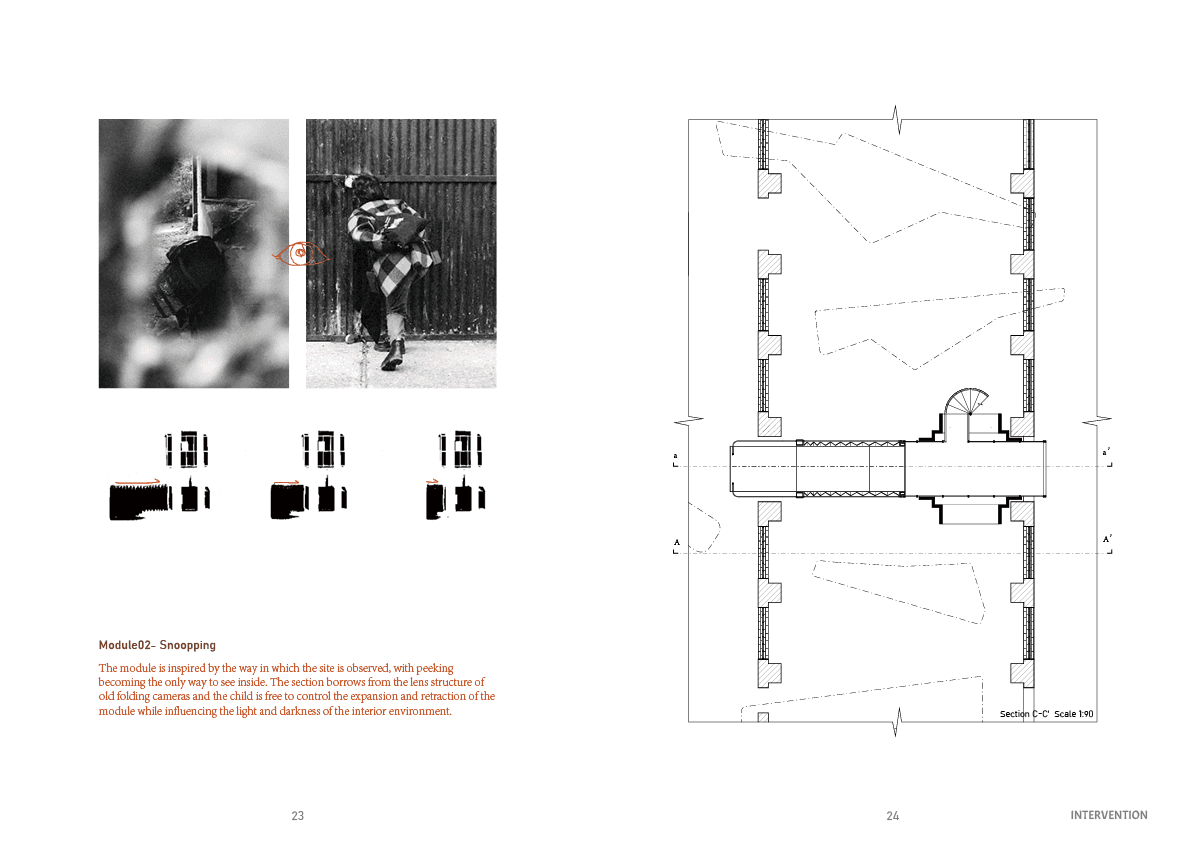
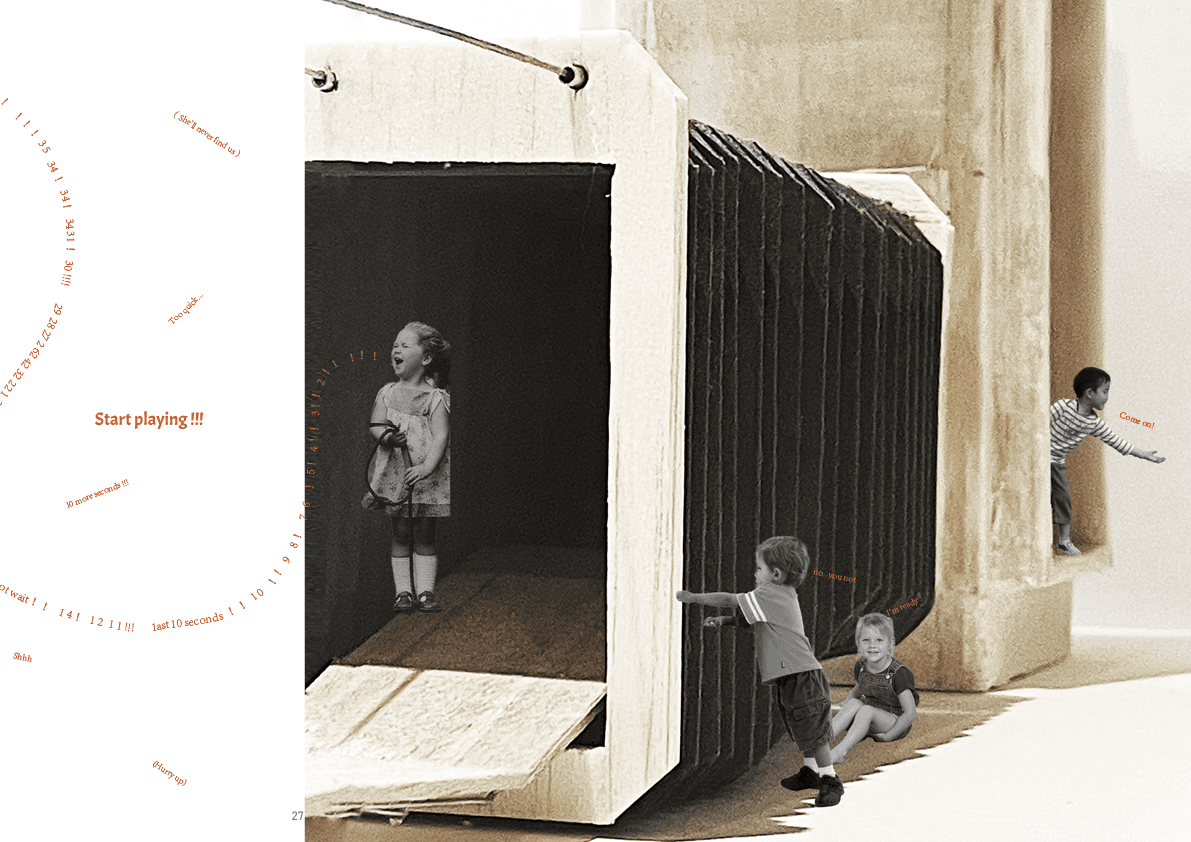
In response, I redesigned the building as a framework for open-ended play and developed a new play component for children. The intervention does not prescribe a single function or fixed narrative, but supports multiple forms of climbing, gathering, balancing, hiding, and reimagining. By extending the existing architecture instead of replacing it, the project turns the site into a more indeterminate and generative environment, where play becomes a way of discovering space rather than simply occupying it.