Mind The Gap
Categories
Interior, Installation
Collaborators
Solo Project
Material
Wood, Plastic, Acrylic
Keywords
Adaptive Reuse Post Office Material Communication Journey Experience Object-based Interaction Spatial Narrative
Year
2022
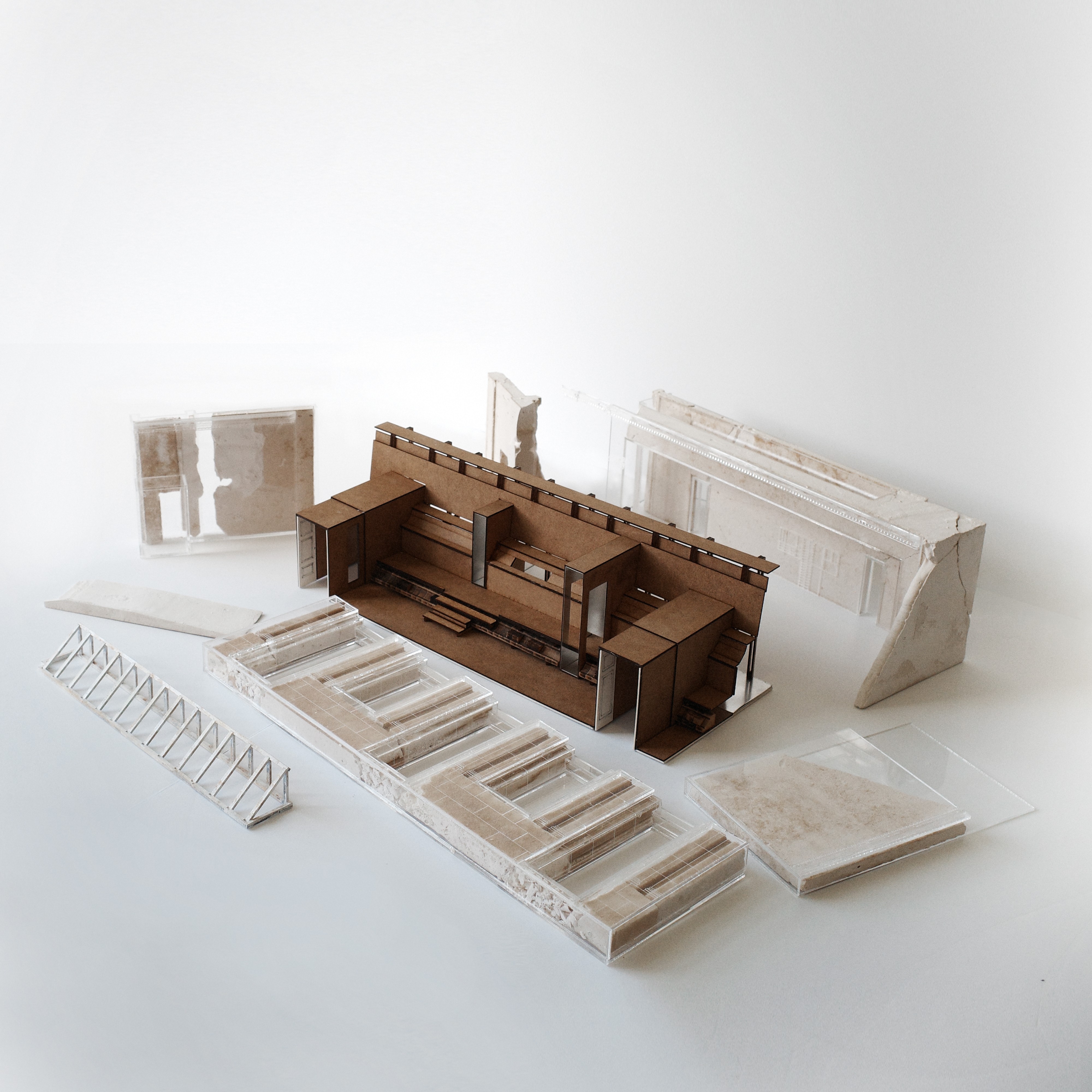
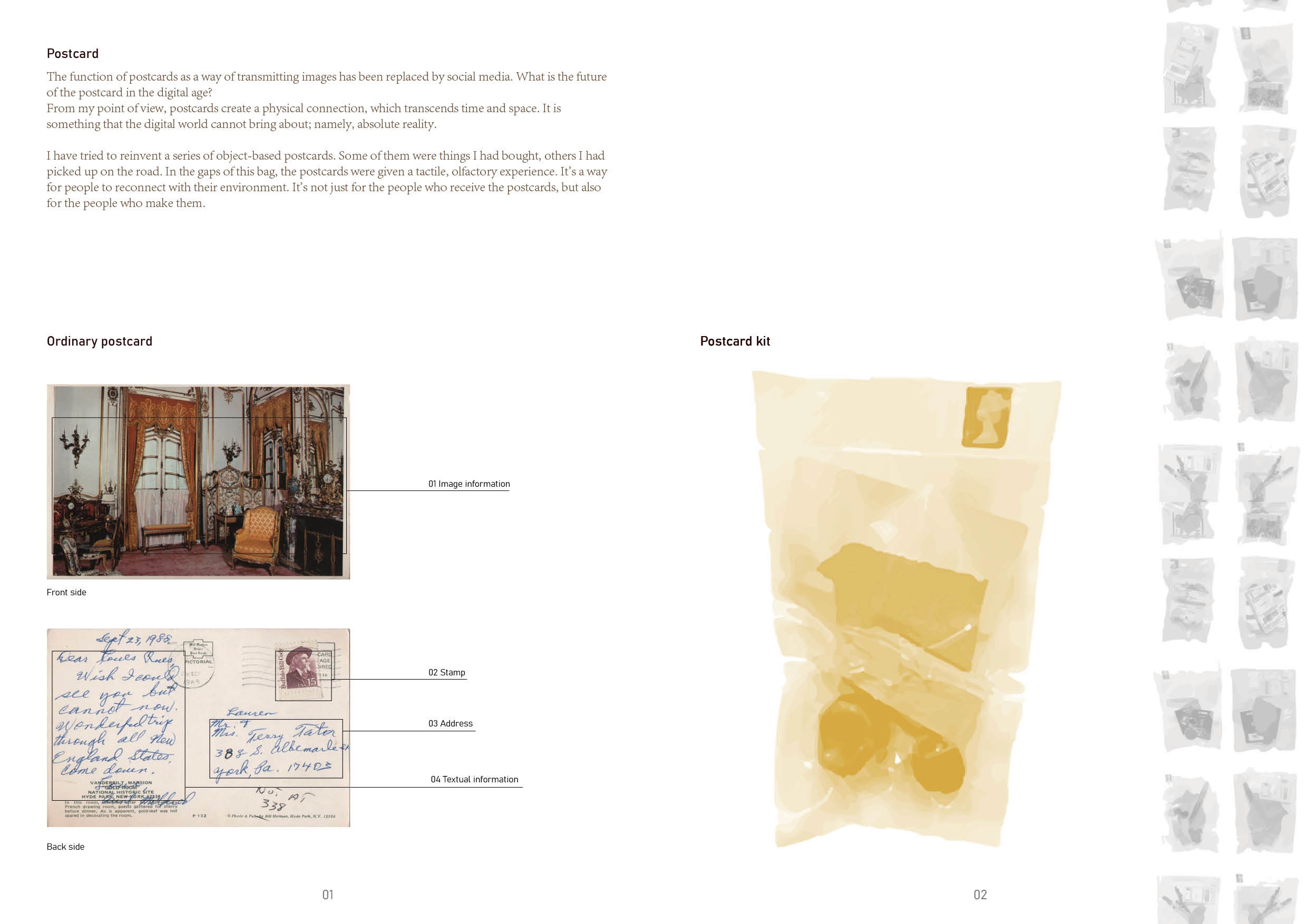
Mind the Gap began with a question about the abandoned post office and its possible future. In an era where communication is increasingly instant, digital, and immaterial, I was interested in what the postcard still represents. Beyond its role as a message carrier, the postcard holds slowness, touch, distance, memory, and the temporal gap between sending and receiving. The project therefore asks how this material form of communication might be reactivated today, not through nostalgia, but through a new spatial and experiential framework.
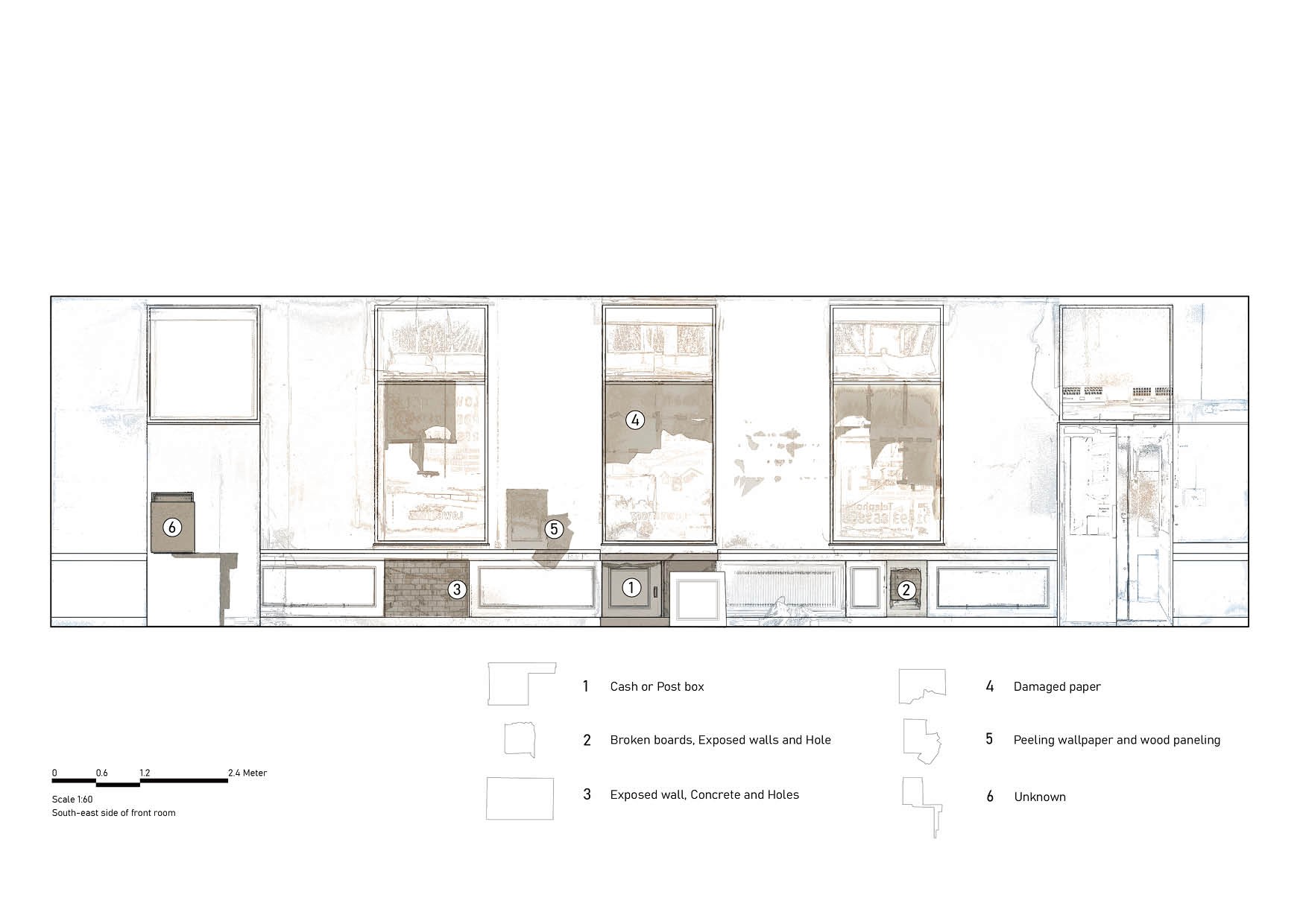
Mind the Gap began with a question about the abandoned post office and its possible future. In an era where communication is increasingly instant, digital, and immaterial, I was interested in what the postcard still represents. Beyond its role as a message carrier, the postcard holds slowness, touch, distance, memory, and the temporal gap between sending and receiving. The project therefore asks how this material form of communication might be reactivated today, not through nostalgia, but through a new spatial and experiential framework.
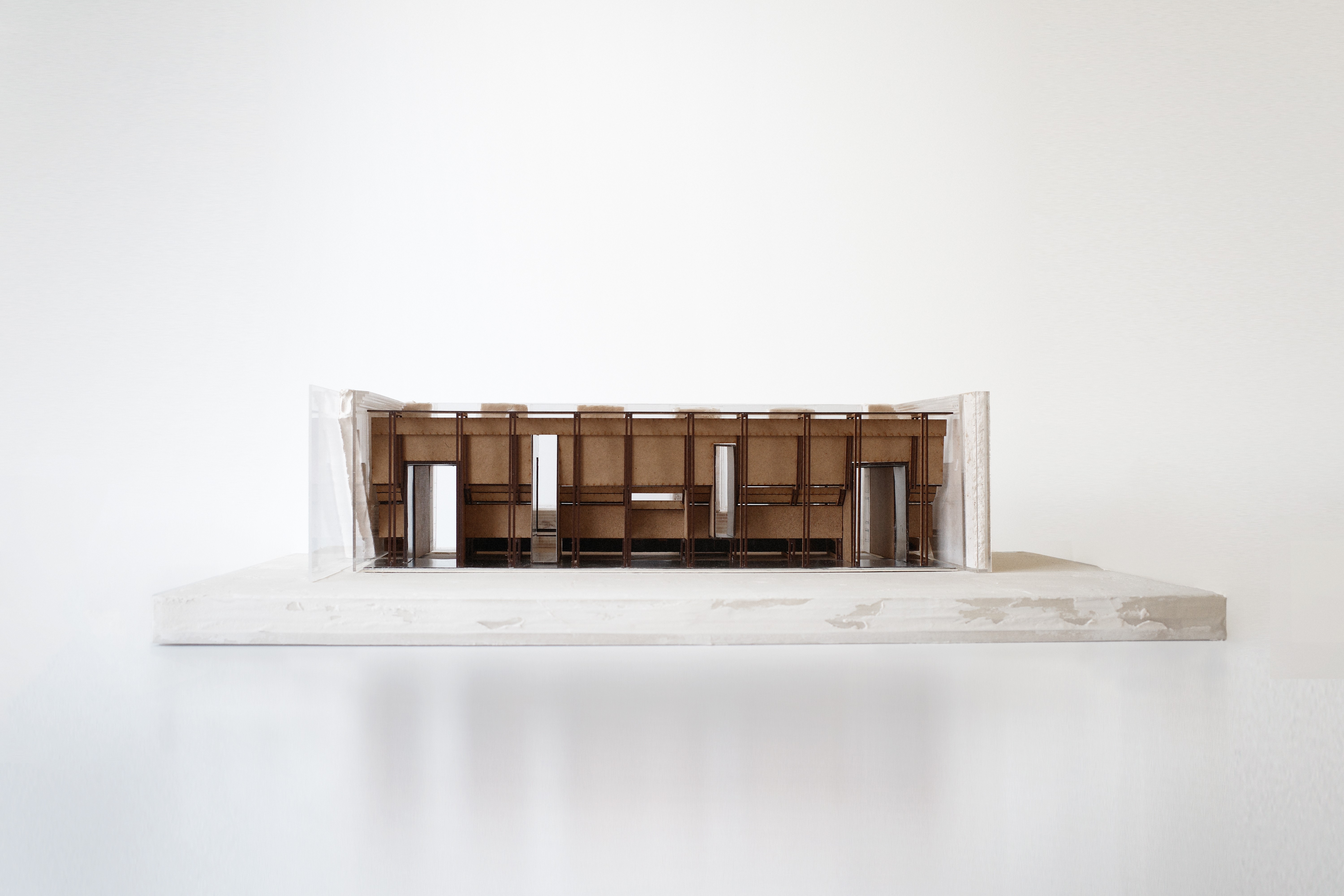
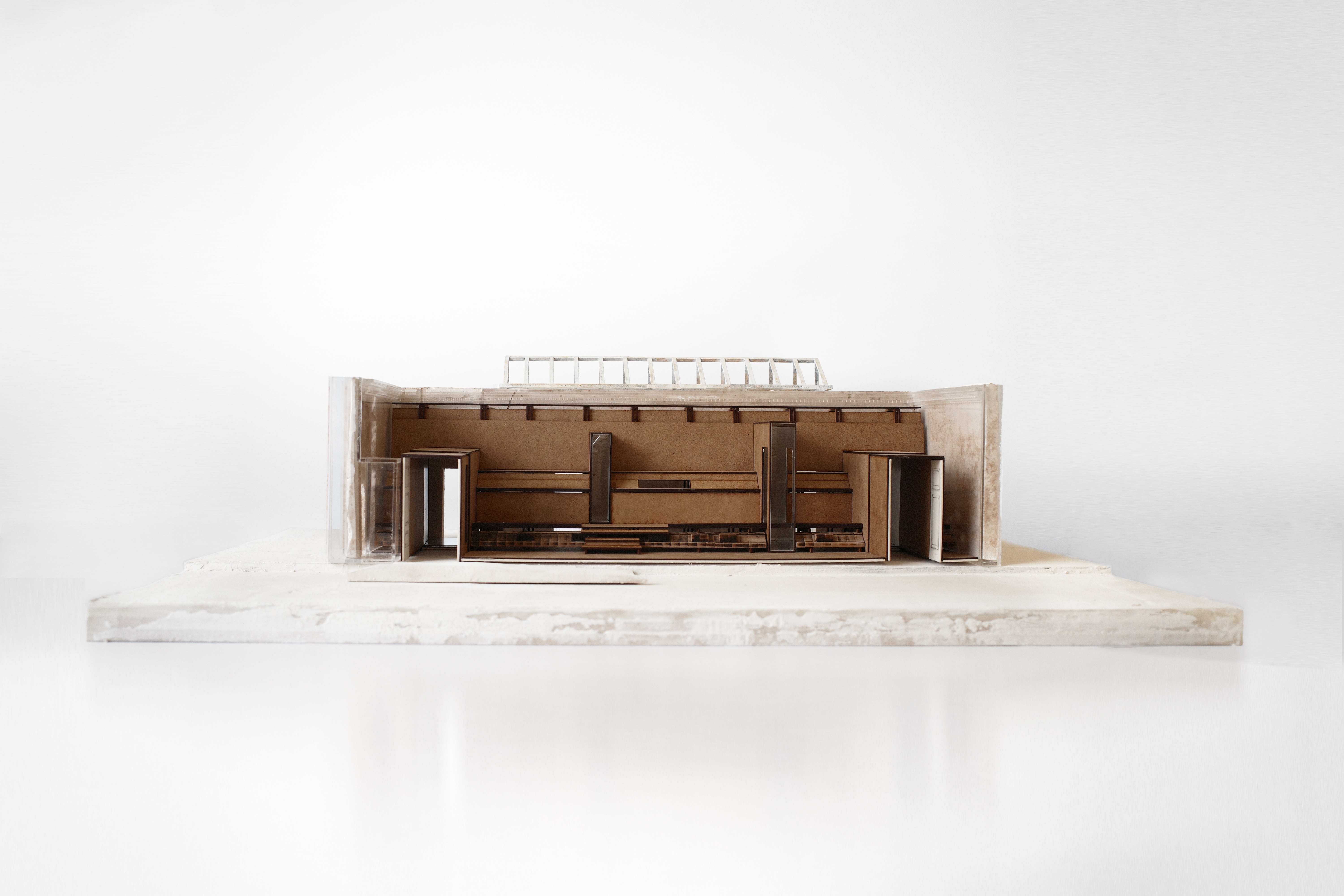
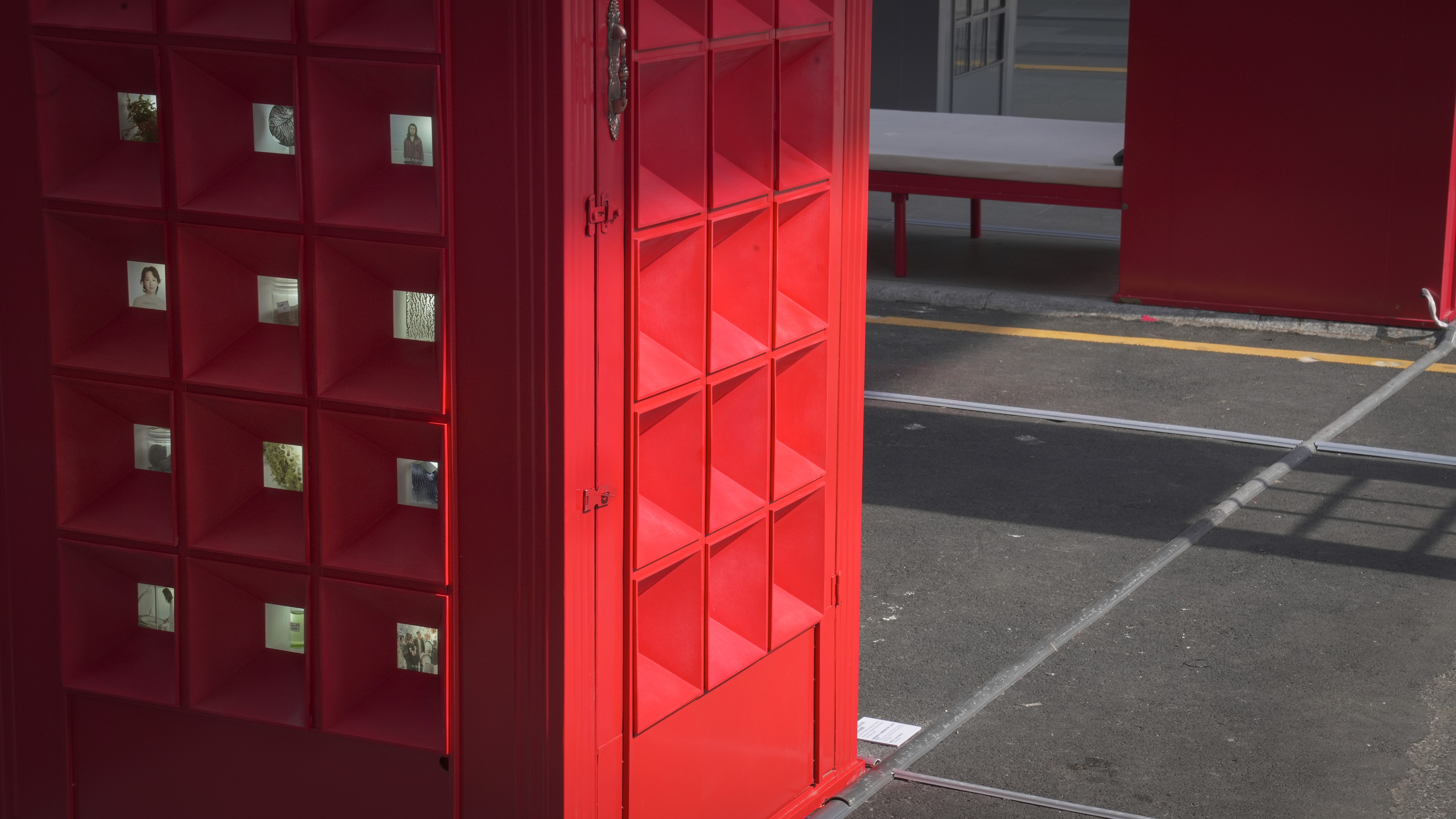
Starting from the material logic of the postcard, I redesigned the experience as a sequence of object-based interactions that accompany a visitor throughout a journey. Rather than reducing communication to a single act of sending, the project imagines it as something unfolding over time, shaped by movement, memory, and anticipation. The postcard becomes less a static object and more a medium through which travel, emotion, and personal reflection are continuously recorded and transformed.
Starting from the material logic of the postcard, I redesigned the experience as a sequence of object-based interactions that accompany a visitor throughout a journey. Rather than reducing communication to a single act of sending, the project imagines it as something unfolding over time, shaped by movement, memory, and anticipation. The postcard becomes less a static object and more a medium through which travel, emotion, and personal reflection are continuously recorded and transformed.
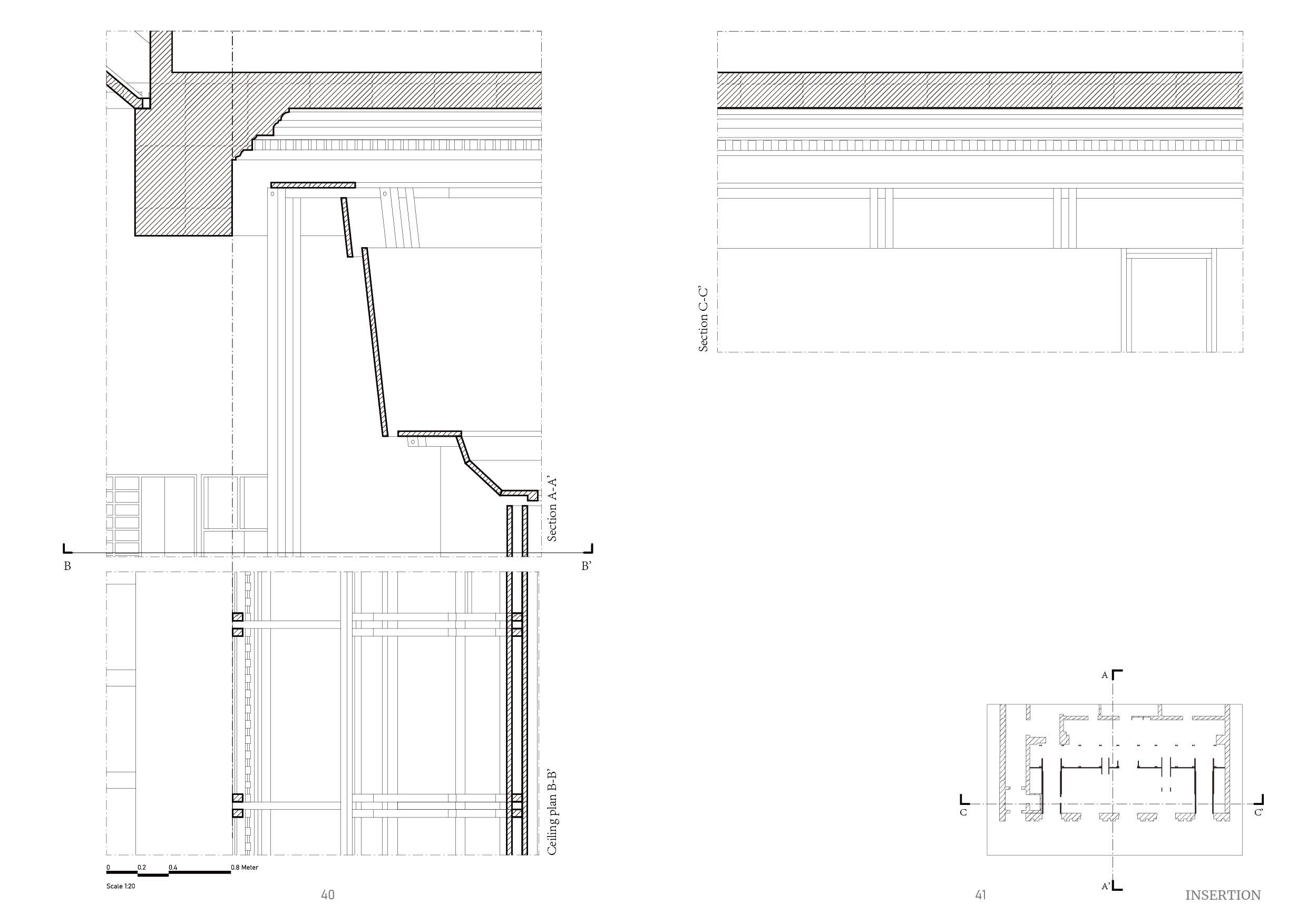
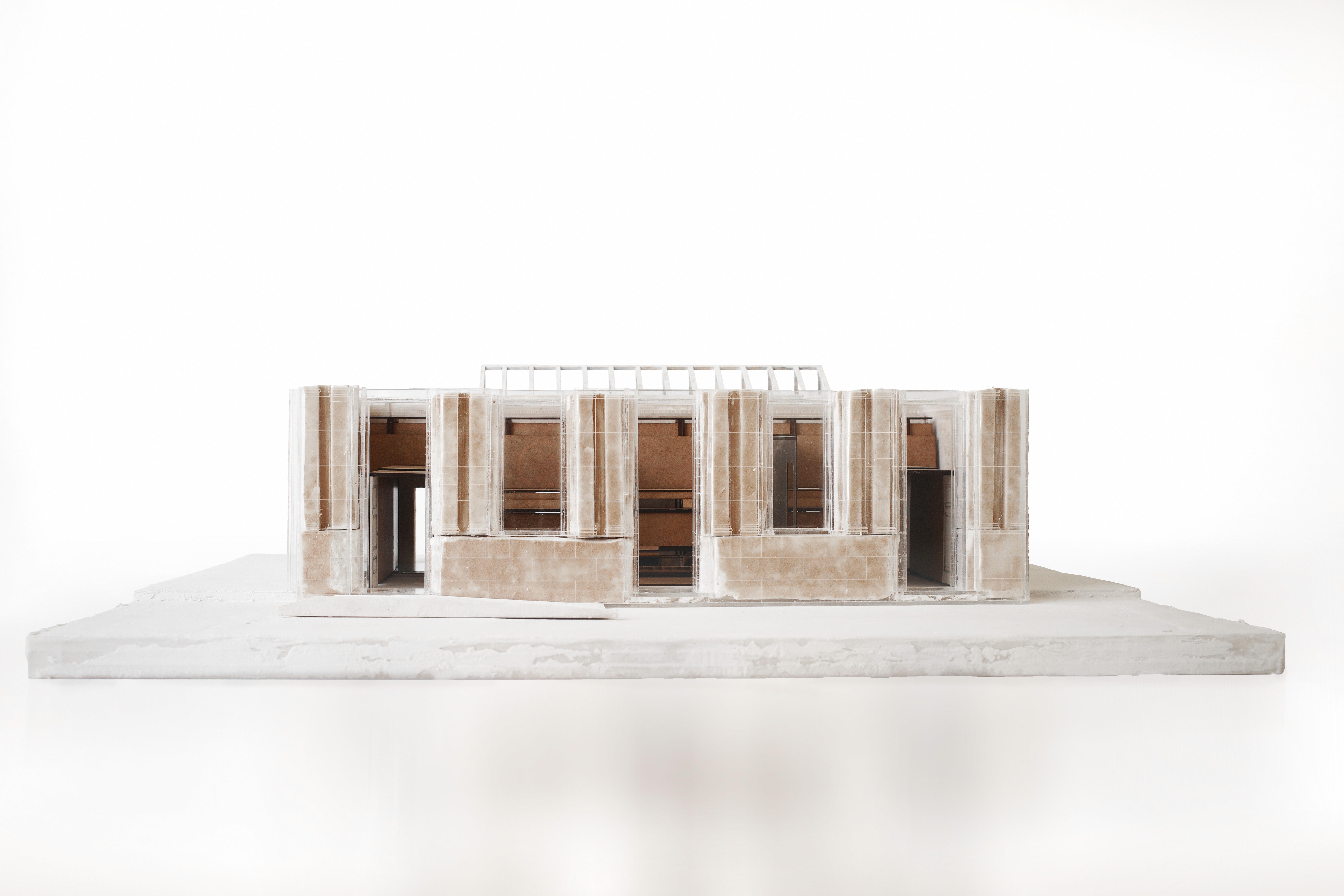
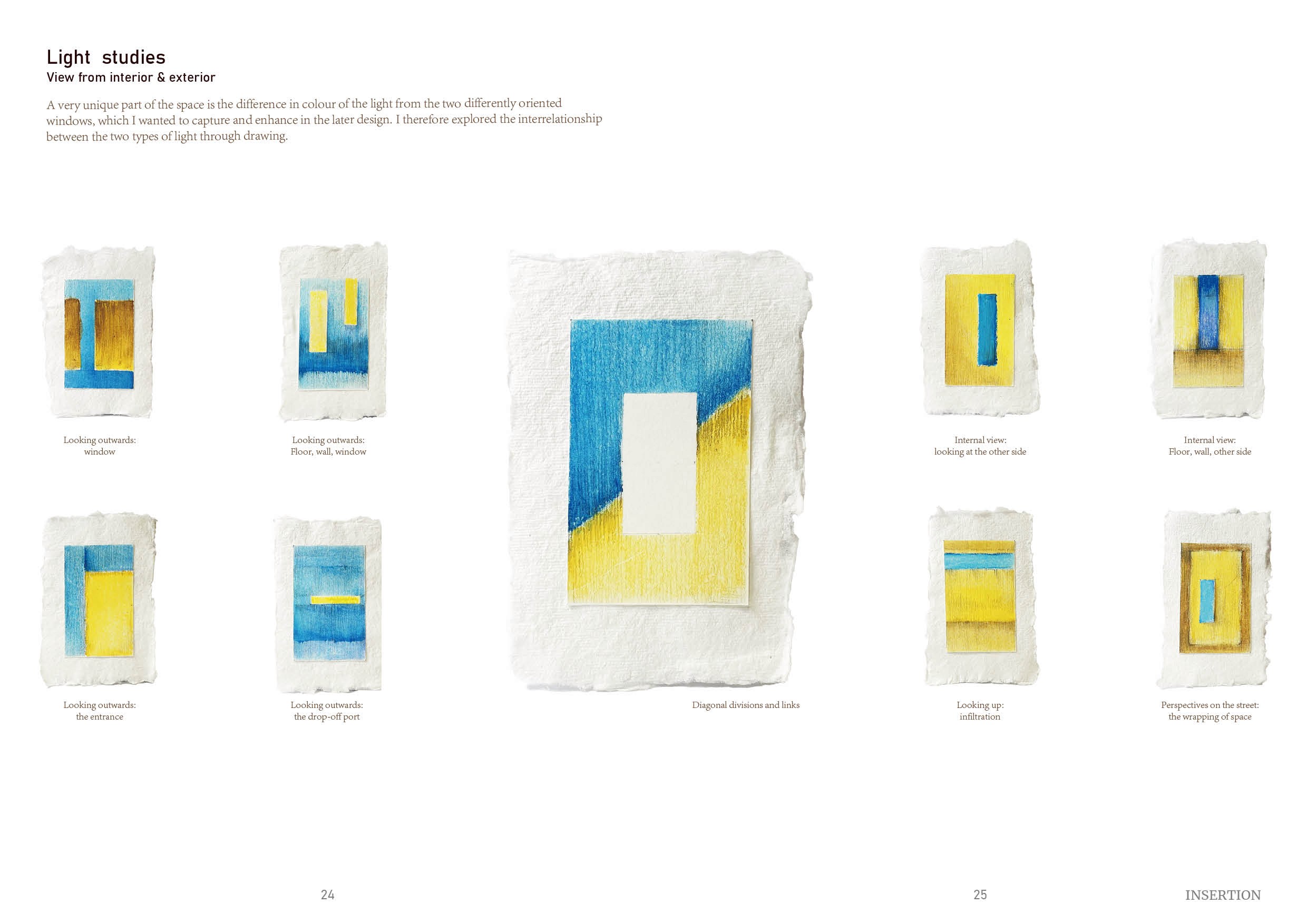
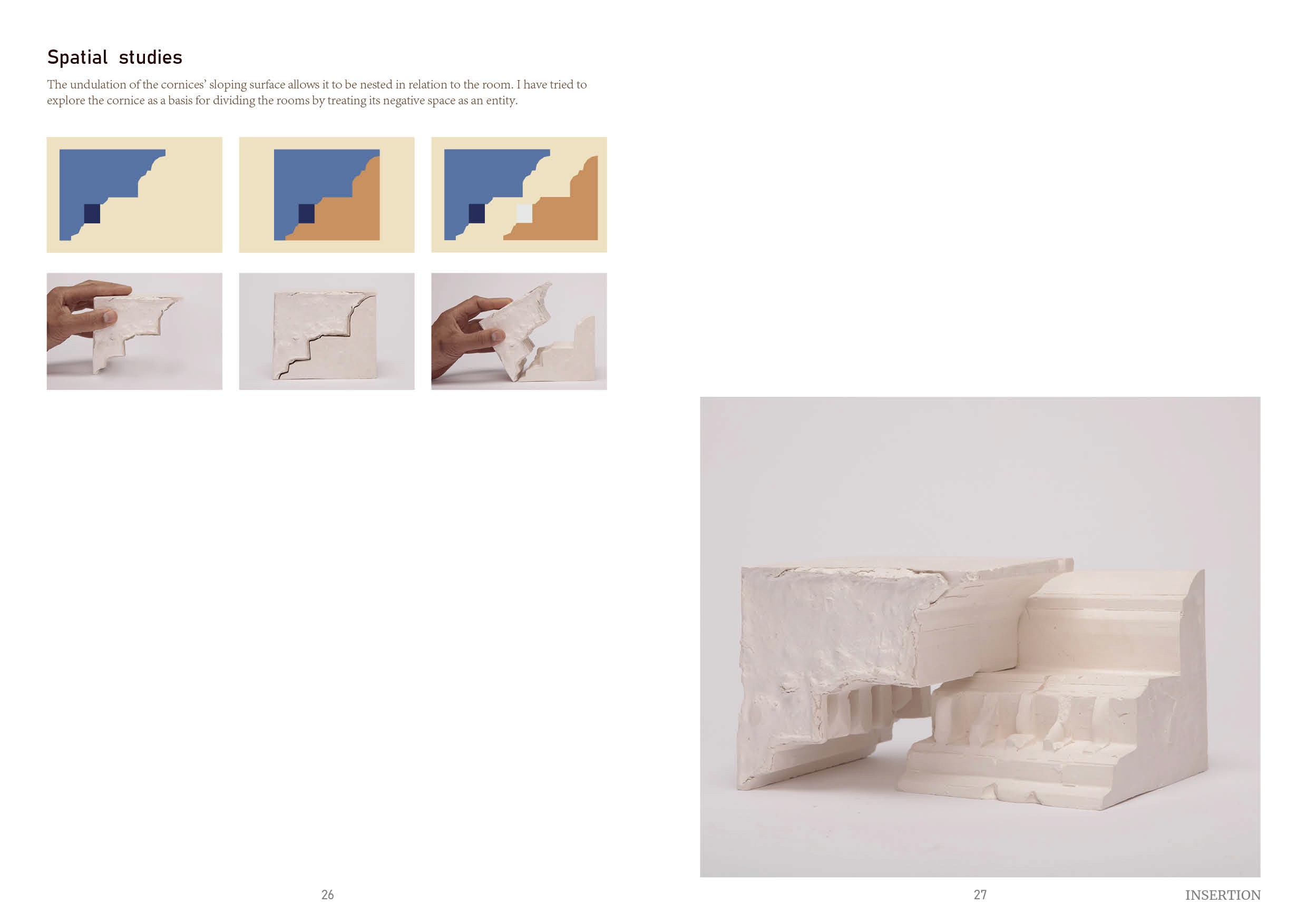
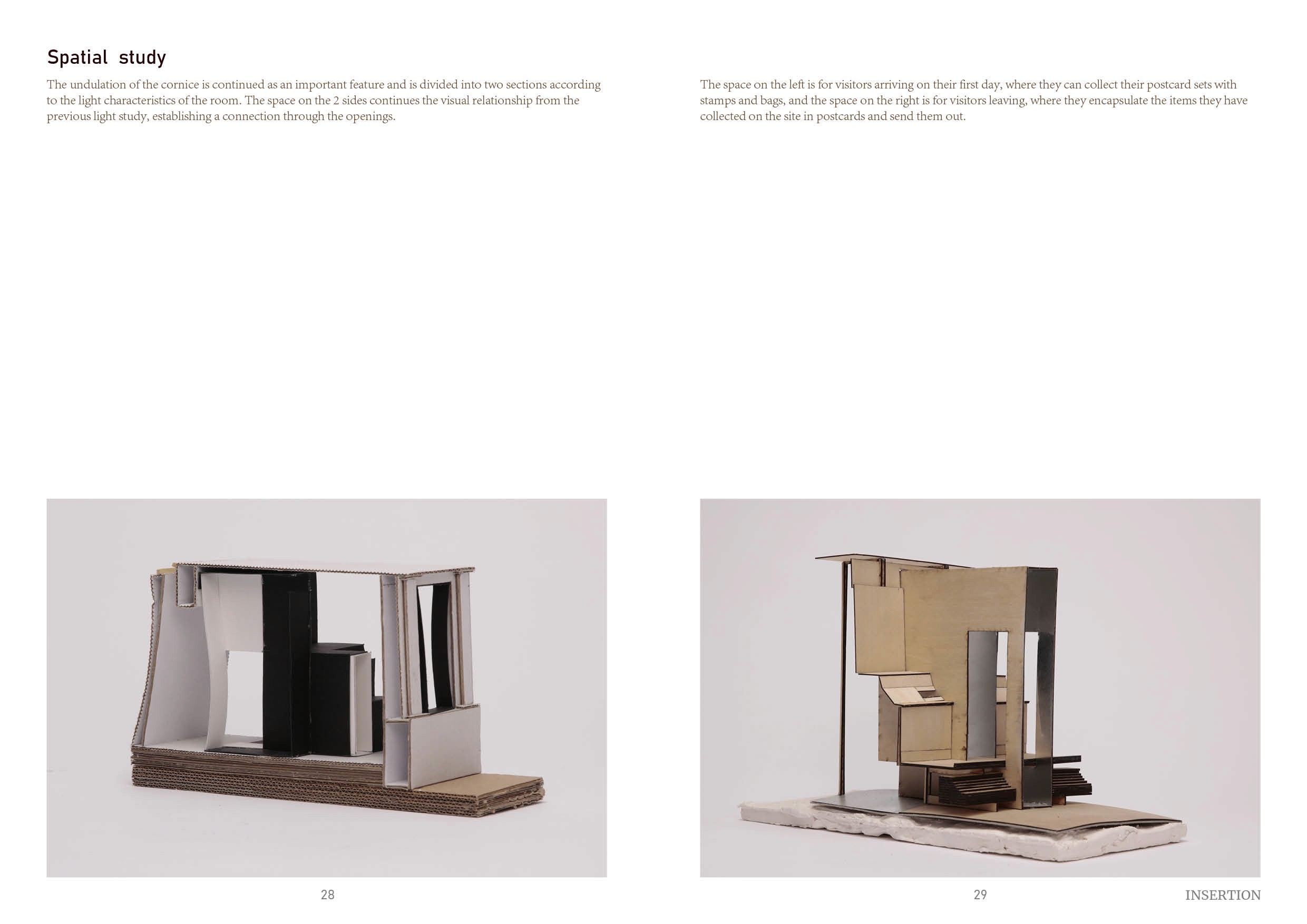
The spatial design grows from an interpretation and extension of the existing architectural elements of the post office. Instead of overwriting the building with an entirely new language, I worked with its inherited structures and atmospheres to construct a renewed interior narrative. Visitors encounter different routes on the first and final day of their journey, allowing the same place to be read differently over time. In this way, the project treats space as an active participant in communication, one that shapes how memory is formed, revisited, and sent outward again.
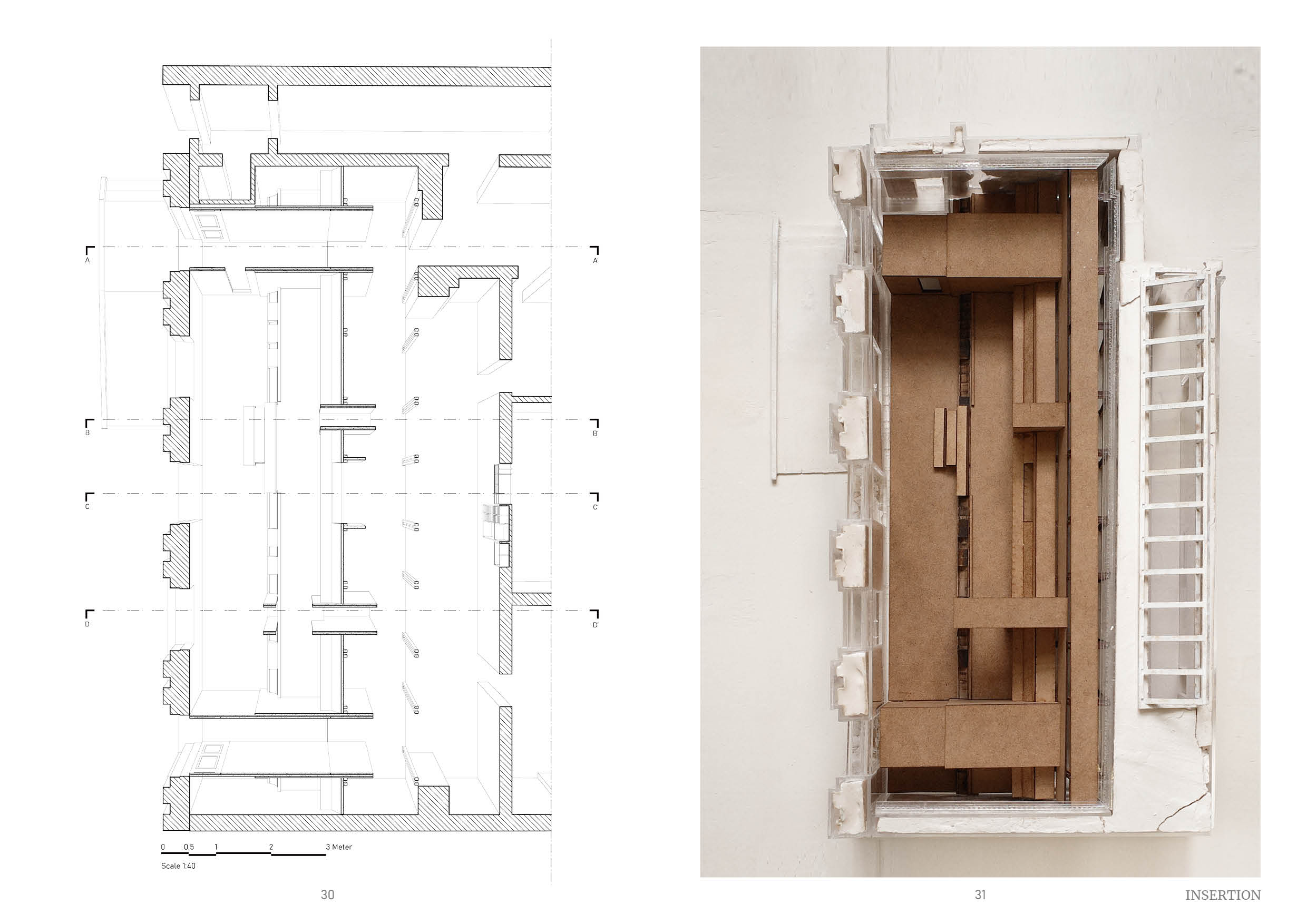
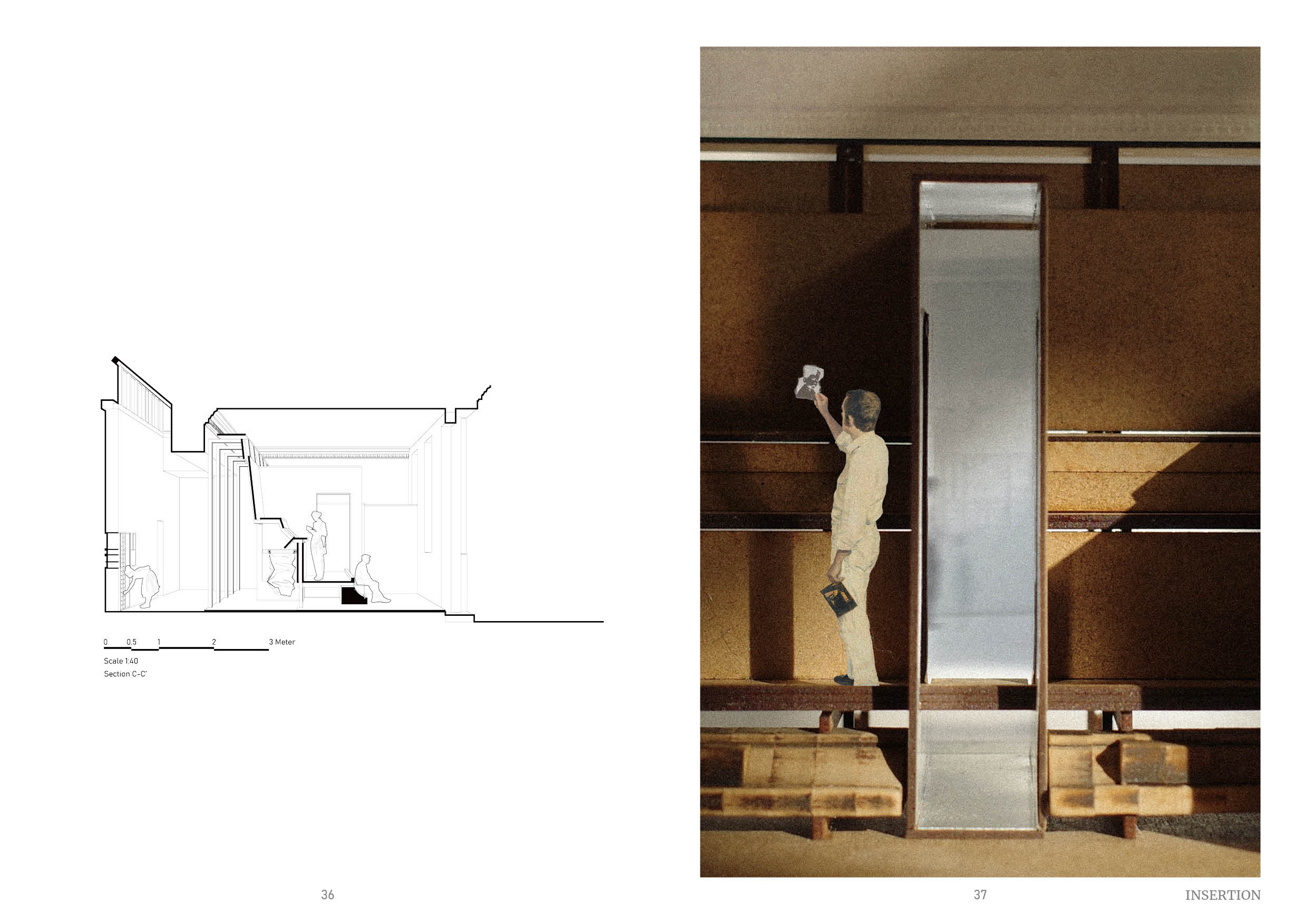
The spatial design grows from an interpretation and extension of the existing architectural elements of the post office. Instead of overwriting the building with an entirely new language, I worked with its inherited structures and atmospheres to construct a renewed interior narrative. Visitors encounter different routes on the first and final day of their journey, allowing the same place to be read differently over time. In this way, the project treats space as an active participant in communication, one that shapes how memory is formed, revisited, and sent outward again.