Frankenstein's Masque
Categories
Installation
Collaborators
Solo Project
Material
Wood, Metal, Plants, Thread
Keywords
Construction and Memory Monstrous Intimacy Masque John Hejduk
Year
2021
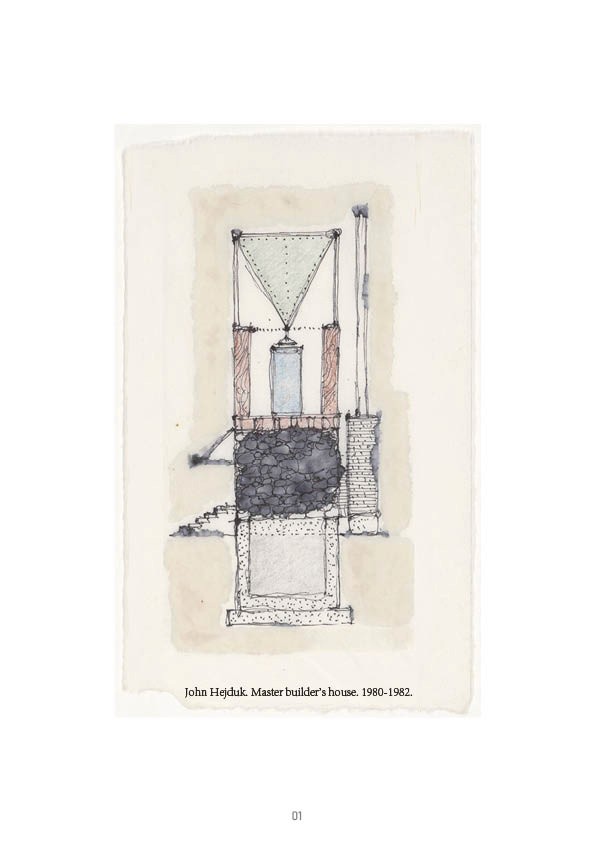
The project began with John Hejduk’s Master Builder’s House and the larger imaginative world of London Masque. I was drawn to the way Hejduk’s drawings hold architecture, character, memory, and fiction together. In response, I began to think of building not only as the production of shelter or form, but as an emotional and symbolic act: a way of commemorating someone unreachable, of turning absence into structure.
The project began with John Hejduk’s Master Builder’s House and the larger imaginative world of London Masque. I was drawn to the way Hejduk’s drawings hold architecture, character, memory, and fiction together. In response, I began to think of building not only as the production of shelter or form, but as an emotional and symbolic act: a way of commemorating someone unreachable, of turning absence into structure.
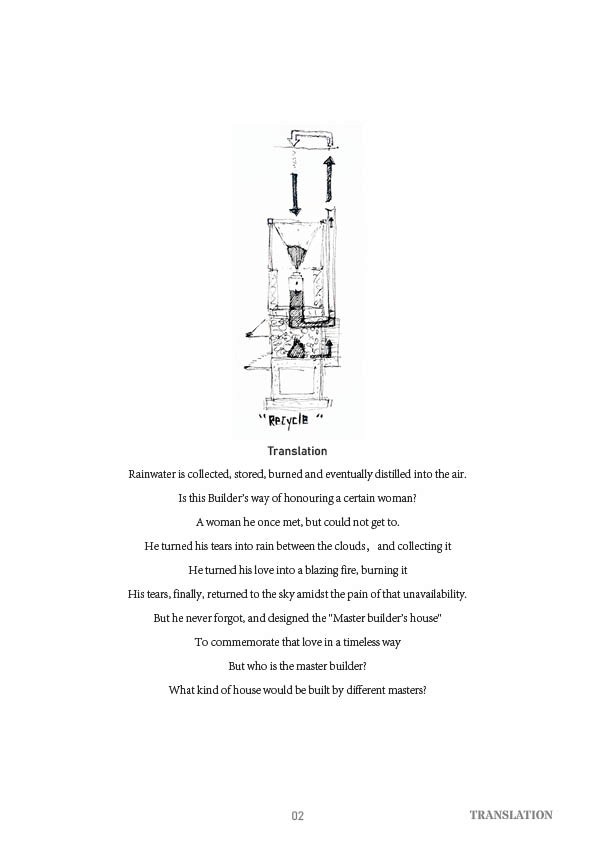
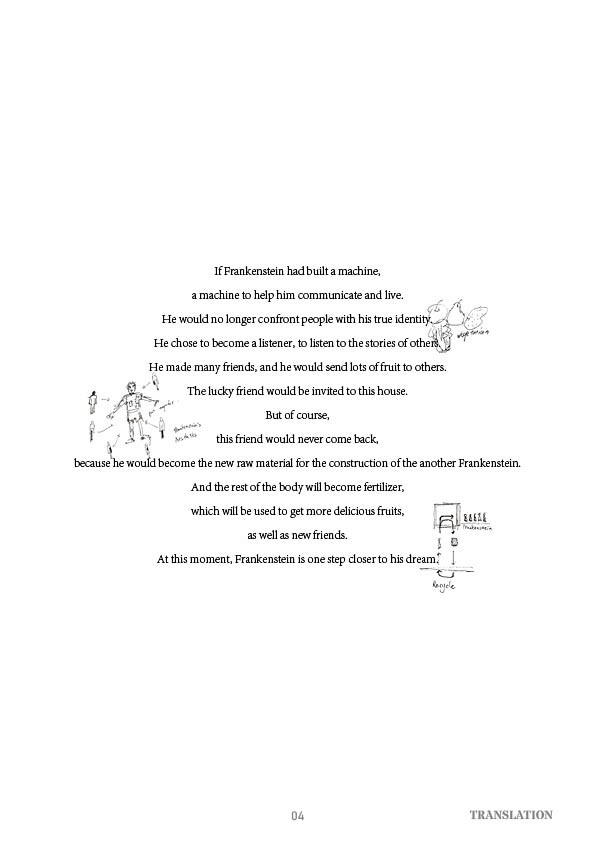
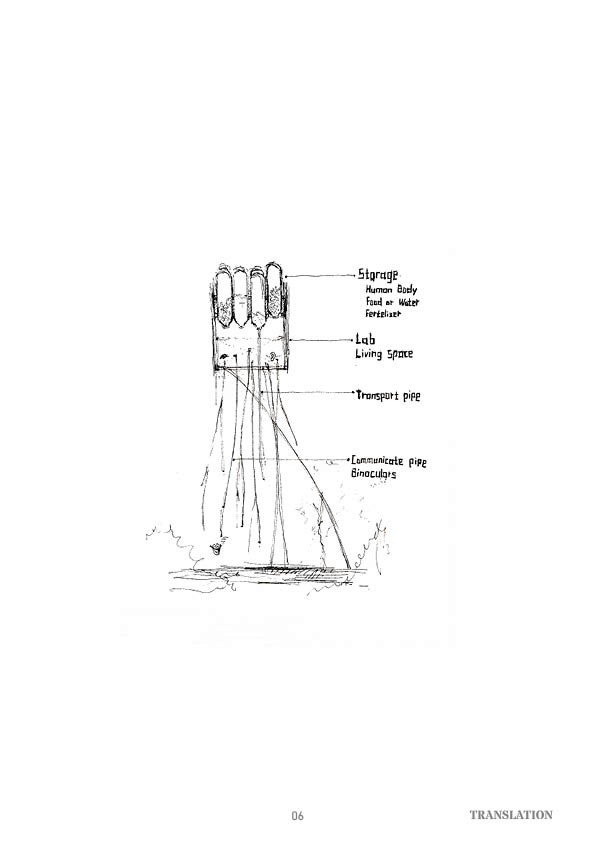
From there, I re-read Frankenstein through the figure of the builder. Instead of focusing on horror alone, I imagined Frankenstein as someone who had constructed a machine in order to communicate, to befriend, and to sustain a life among others without fully exposing his identity. Yet within this desire lies another logic: friendship becomes recruitment, hospitality becomes capture, and the house becomes a system for continuous reconstruction. Bodies are turned into building matter; what remains returns to the soil, feeding new growth, new fruit, and eventually new relations. In this way, the project transforms Frankenstein from an isolated creature into the operator of a circular architecture of desire, violence, and regeneration.
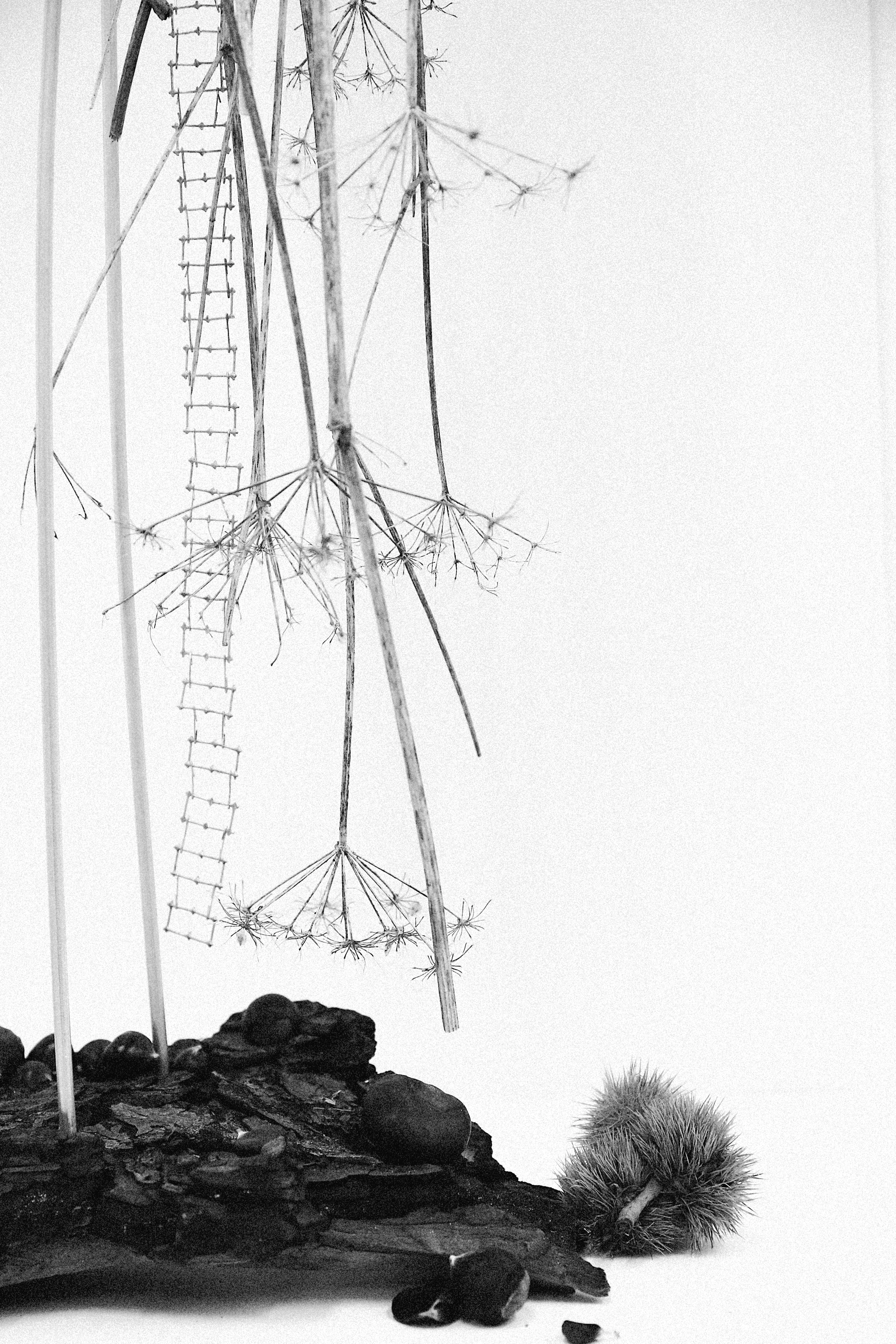
From there, I re-read Frankenstein through the figure of the builder. Instead of focusing on horror alone, I imagined Frankenstein as someone who had constructed a machine in order to communicate, to befriend, and to sustain a life among others without fully exposing his identity. Yet within this desire lies another logic: friendship becomes recruitment, hospitality becomes capture, and the house becomes a system for continuous reconstruction. Bodies are turned into building matter; what remains returns to the soil, feeding new growth, new fruit, and eventually new relations. In this way, the project transforms Frankenstein from an isolated creature into the operator of a circular architecture of desire, violence, and regeneration.
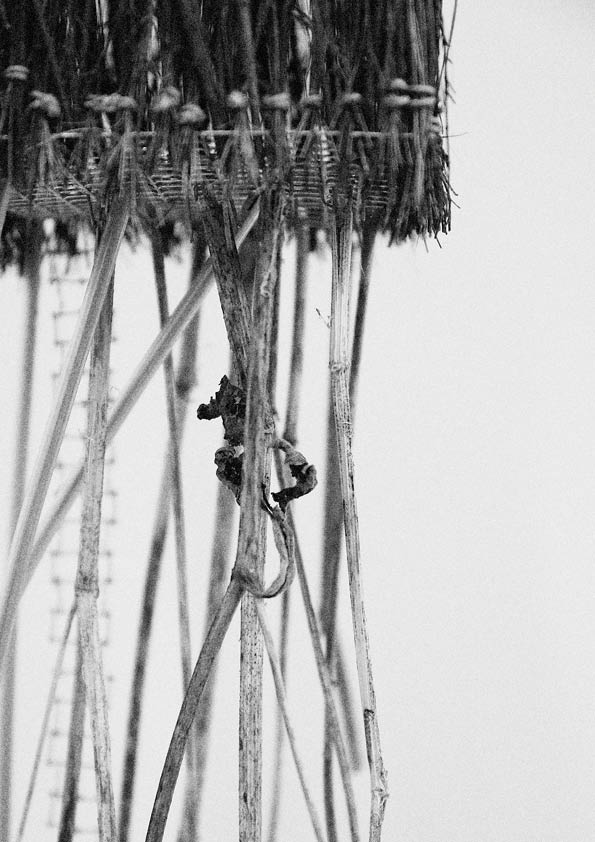
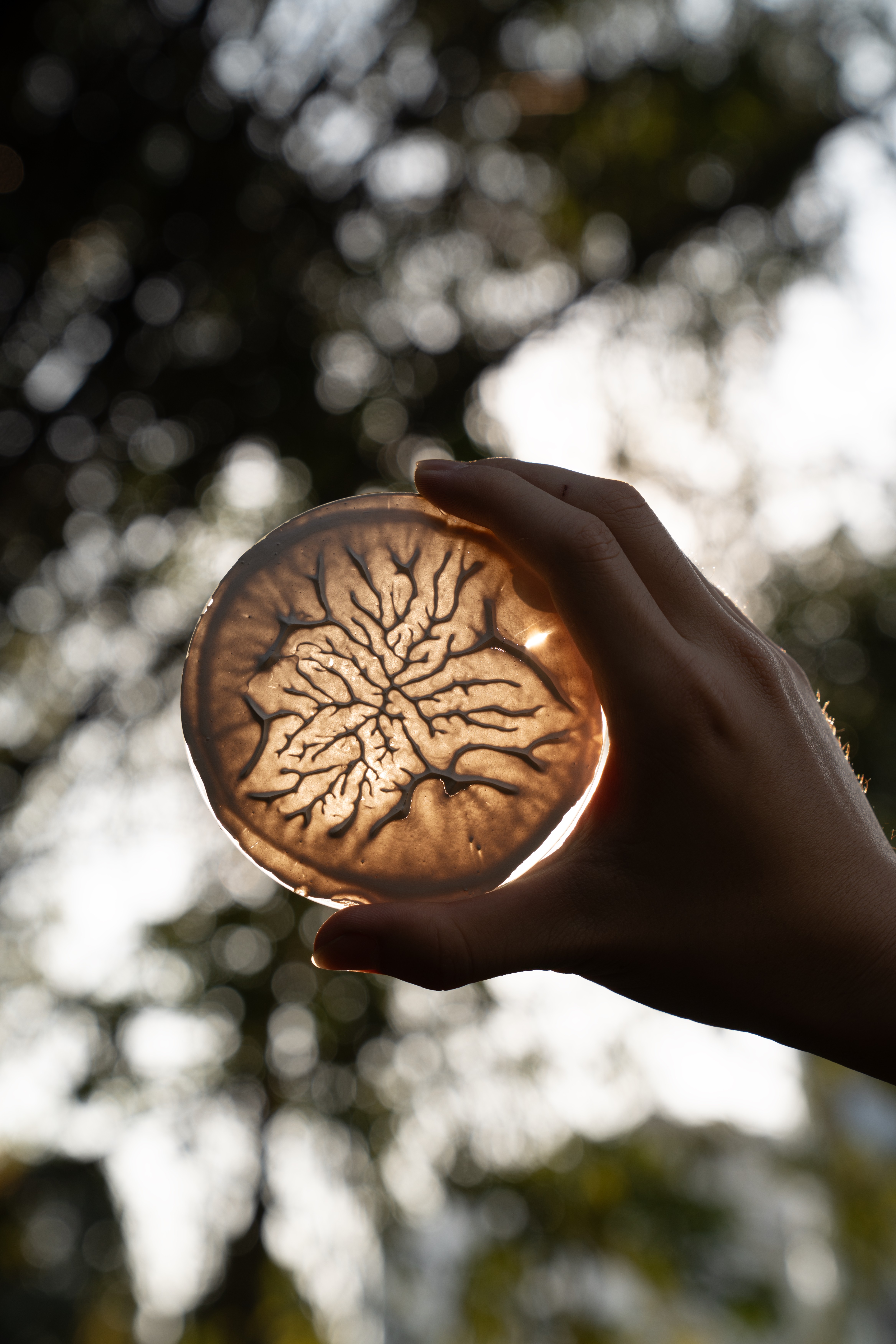
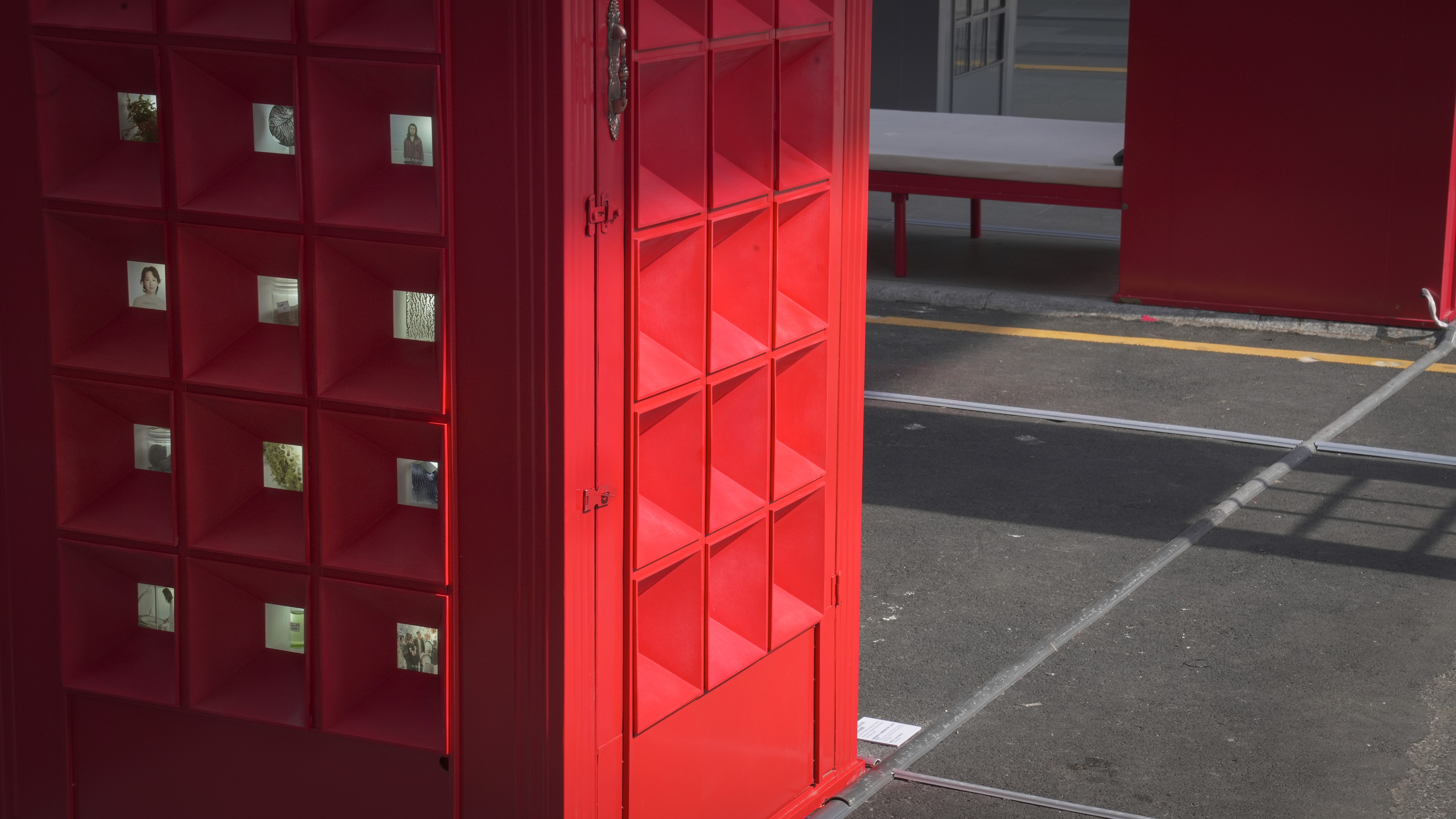
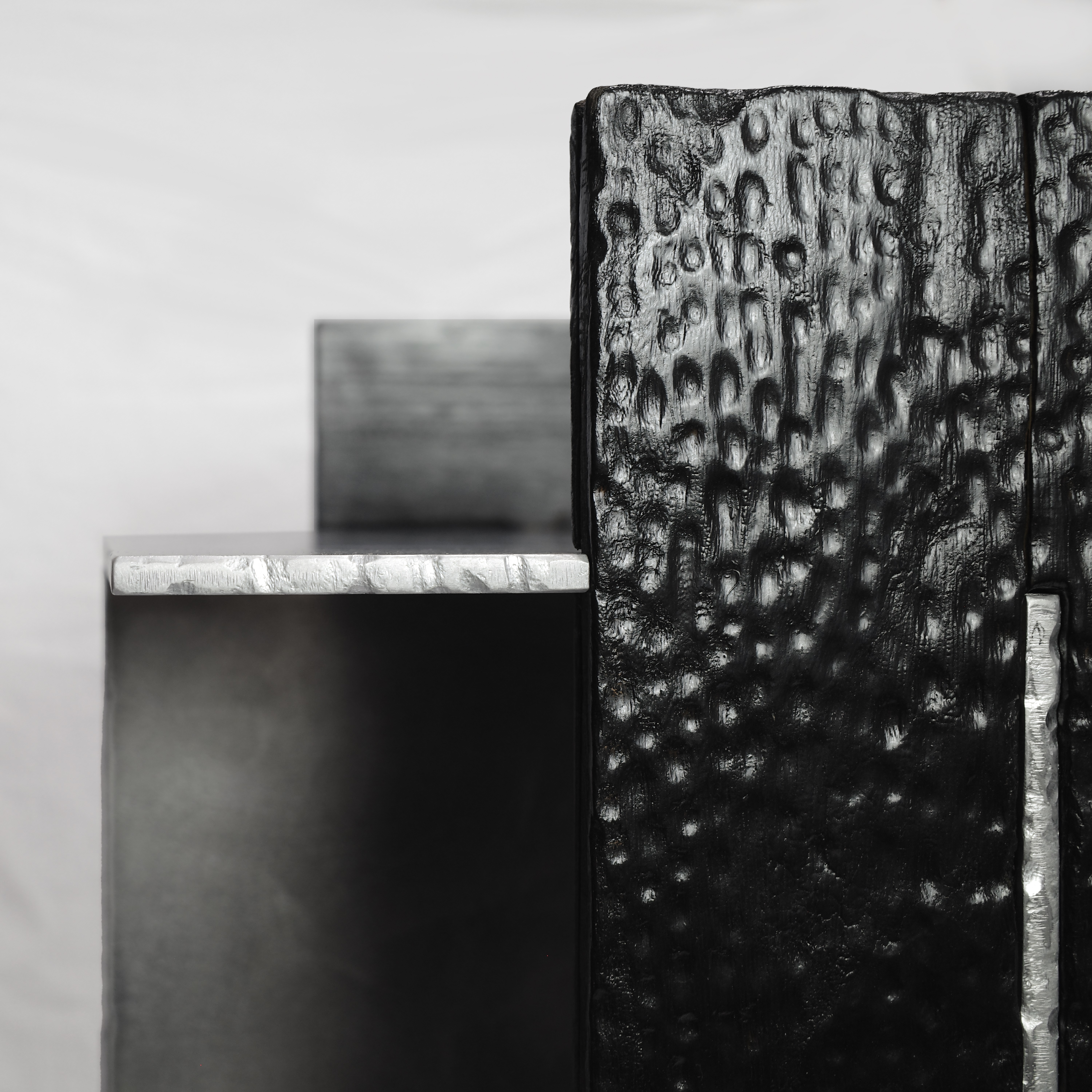
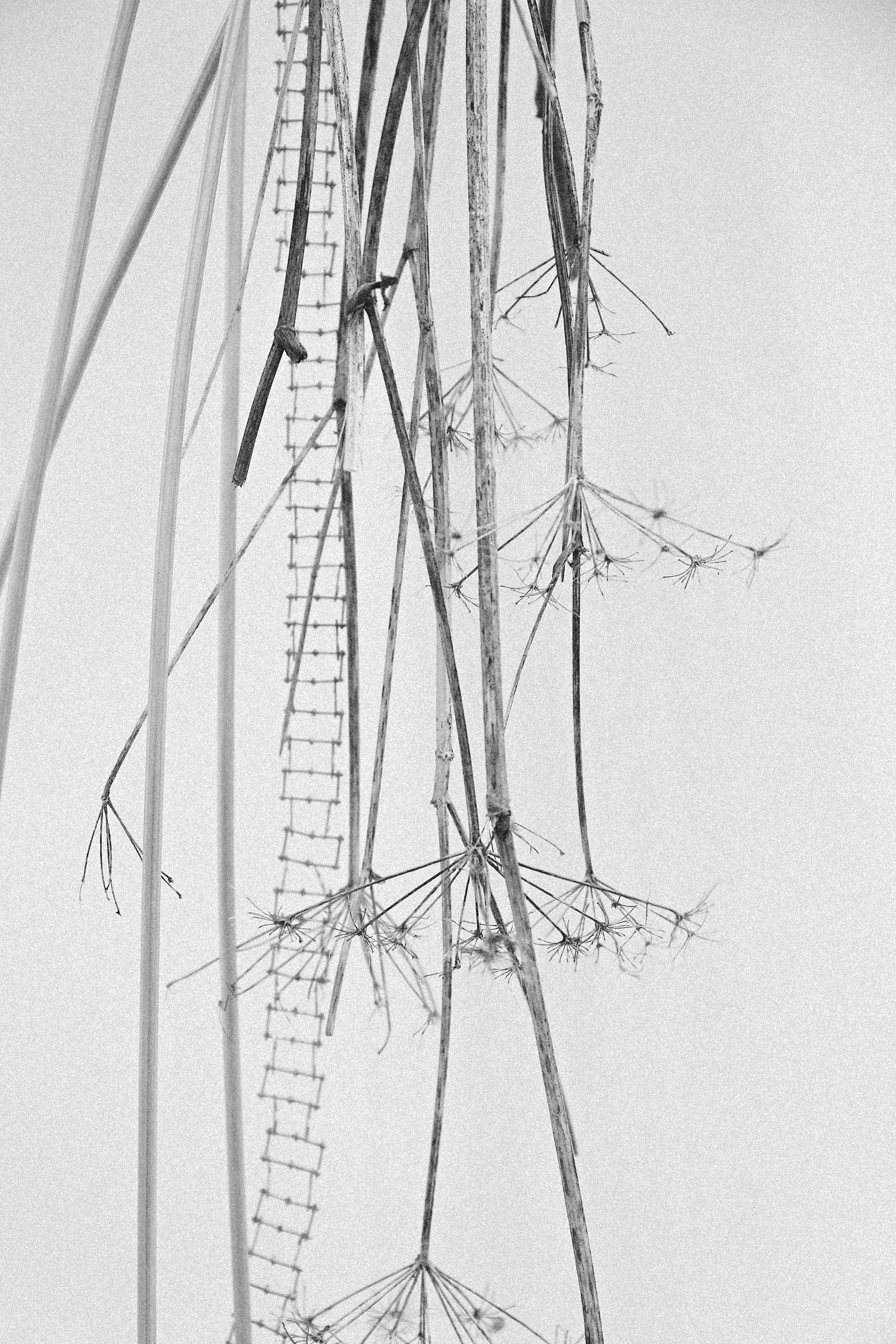
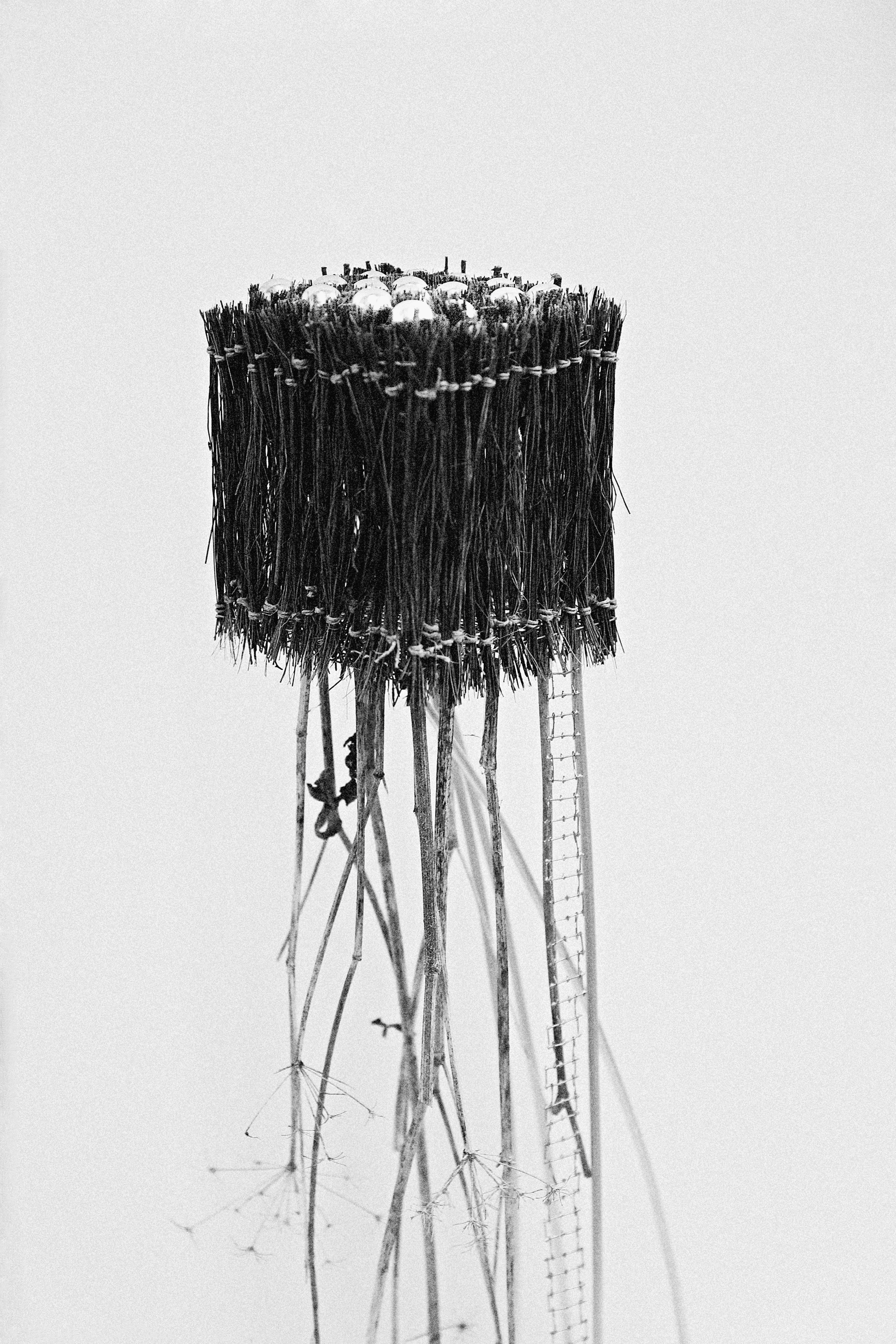
The installation materialises this fiction through a fragile assemblage of wood, metal, plants, and thread. These materials hold together different temporalities and states: the structural, the organic, the suspended, and the slowly growing. Rather than illustrating a single scene, the work constructs an atmosphere in which architecture appears as both invitation and trap, care and consumption, memory and making. It asks what kind of house a “master builder” would construct, and whether building can ever be separated from the fantasies, griefs, and appropriations that animate it.
The installation materialises this fiction through a fragile assemblage of wood, metal, plants, and thread. These materials hold together different temporalities and states: the structural, the organic, the suspended, and the slowly growing. Rather than illustrating a single scene, the work constructs an atmosphere in which architecture appears as both invitation and trap, care and consumption, memory and making. It asks what kind of house a “master builder” would construct, and whether building can ever be separated from the fantasies, griefs, and appropriations that animate it.