No Signal Land
Categories
Speculative Design, Worldbuilding
Collaborators
Solo Project
Material
Multimedia
Keywords
Charleston House Monument Disconnection Virginia Woolf Experience Voucher Future Ritual
Year
2022
No Signal Land begins with Charleston House not simply as a cultural heritage site, but as a place historically shaped by withdrawal, experimentation, and alternative forms of living. Virginia Woolf, Vanessa Bell, Duncan Grant and others came to Charleston in search of a different rhythm of life, one that distanced itself from the social pressures, institutional norms, and metropolitan intensity of their time. Charleston was therefore not only a house, but a deliberate relocation of attention, intimacy, and creative existence.
No Signal Land begins with Charleston House not simply as a cultural heritage site, but as a place historically shaped by withdrawal, experimentation, and alternative forms of living. Virginia Woolf, Vanessa Bell, Duncan Grant and others came to Charleston in search of a different rhythm of life, one that distanced itself from the social pressures, institutional norms, and metropolitan intensity of their time. Charleston was therefore not only a house, but a deliberate relocation of attention, intimacy, and creative existence.
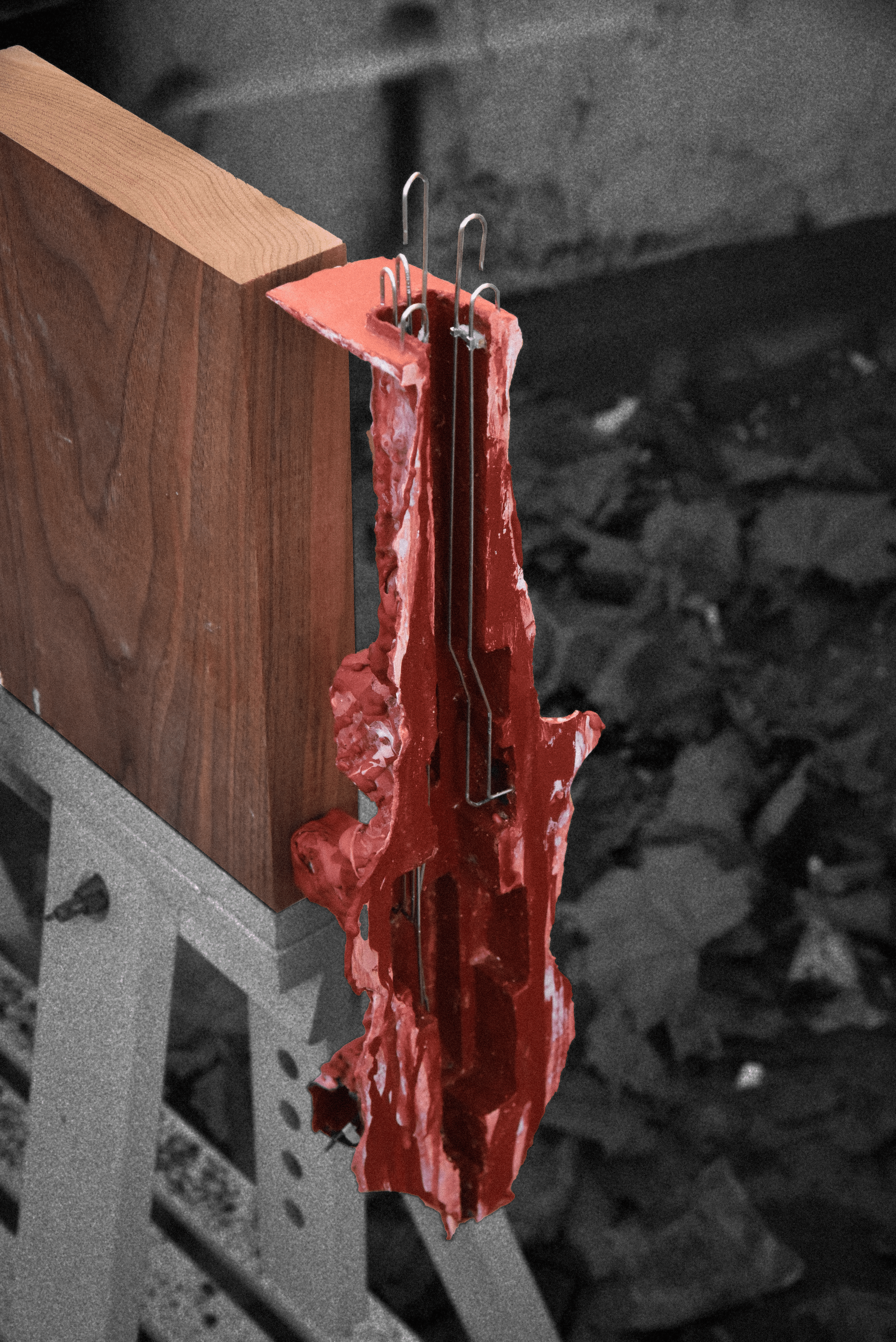
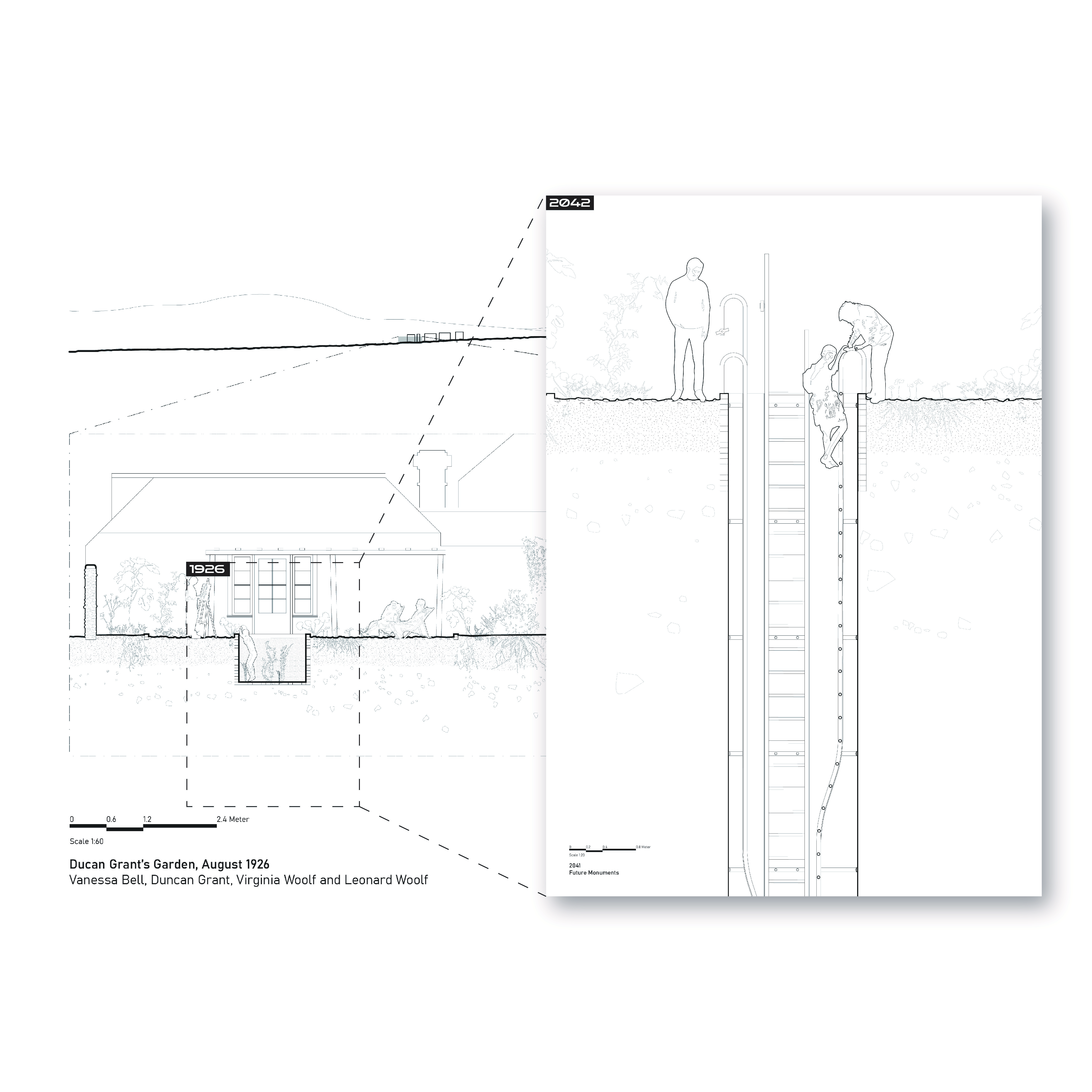
This historical condition provides the link to No Signal Land. What Charleston once represented as a retreat from dominant structures of life can be reinterpreted today through the condition of signal loss. If the Bloomsbury figures sought distance from the ideological, social, and urban systems of their moment, No Signal Land asks what an equivalent gesture might look like in an age dominated by permanent connectivity, digital dependence, and uninterrupted flows of information. In this sense, disconnection becomes a contemporary counterpart to Charleston’s original impulse: not escape for its own sake, but the creation of distance as a precondition for another way of being.
This historical condition provides the link to No Signal Land. What Charleston once represented as a retreat from dominant structures of life can be reinterpreted today through the condition of signal loss. If the Bloomsbury figures sought distance from the ideological, social, and urban systems of their moment, No Signal Land asks what an equivalent gesture might look like in an age dominated by permanent connectivity, digital dependence, and uninterrupted flows of information. In this sense, disconnection becomes a contemporary counterpart to Charleston’s original impulse: not escape for its own sake, but the creation of distance as a precondition for another way of being.
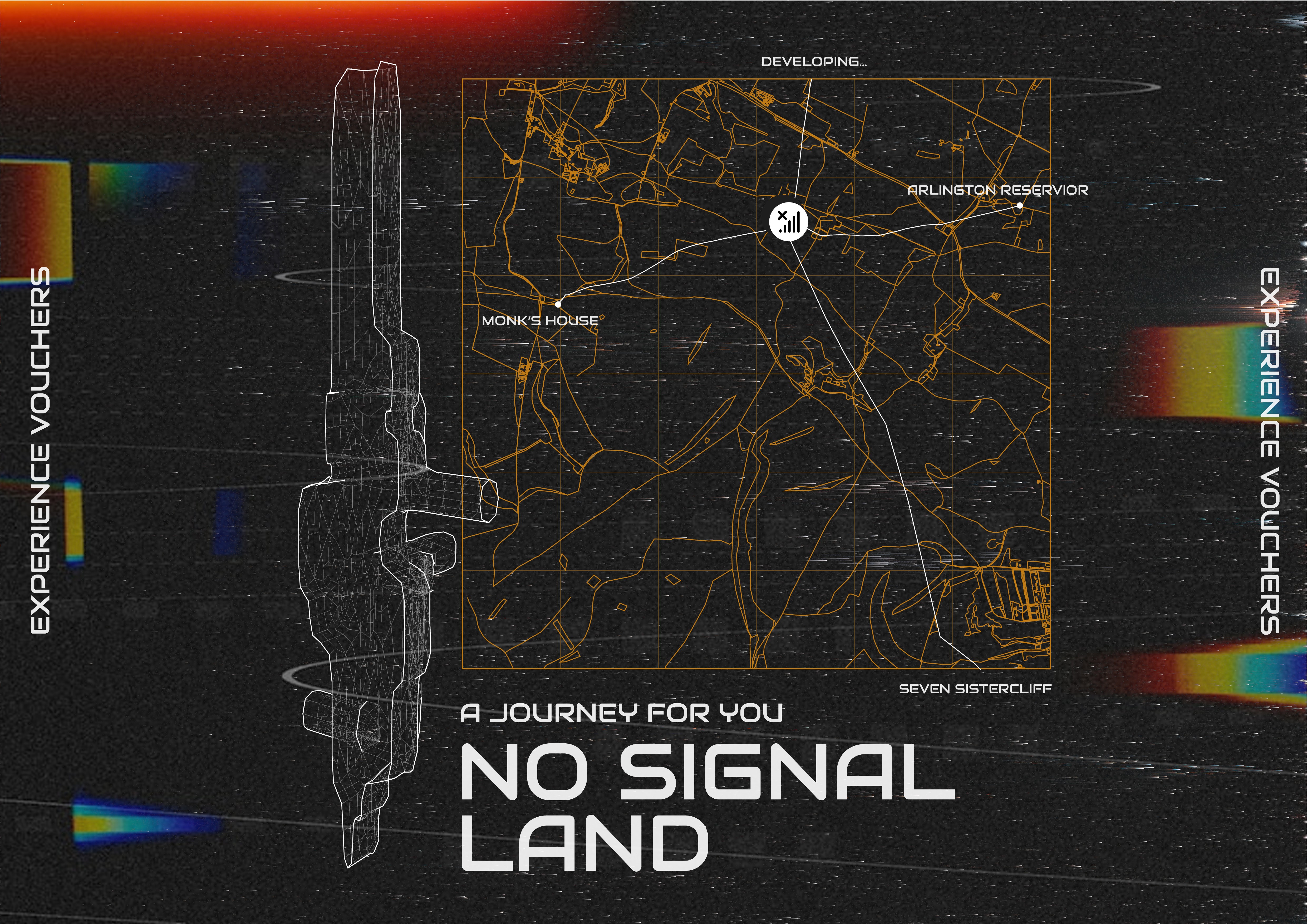
No Signal Land therefore treats Charleston not as a backdrop, but as the conceptual origin of a new monumentality. Rather than commemorating the Bloomsbury group through static representation, the project extends their gesture into the present by proposing a journey of temporary disconnection. Through speculative monuments, experience vouchers, and spatial routes, it asks visitors to enter a condition that echoes why Charleston mattered in the first place: a place where one steps away from dominant systems in order to recover attention, perception, and a different relation to life. The monument here is no longer an object to look at, but a state to inhabit.
No Signal Land therefore treats Charleston not as a backdrop, but as the conceptual origin of a new monumentality. Rather than commemorating the Bloomsbury group through static representation, the project extends their gesture into the present by proposing a journey of temporary disconnection. Through speculative monuments, experience vouchers, and spatial routes, it asks visitors to enter a condition that echoes why Charleston mattered in the first place: a place where one steps away from dominant systems in order to recover attention, perception, and a different relation to life. The monument here is no longer an object to look at, but a state to inhabit.